






Percale vs sateen are usually presented as a luxury decision, offering two premium options.
However, in reality, it’s a temperature decision.
Most unhappy buyers with expensive sheets chose the weave, not the quality.
Here’s the thing the bedding aisle never says plainly: percale vs sateen can be made from the exact same cotton.
Moreover, the difference is in how the threads cross.
As a result, that one structural choice changes how the fabric feels, breathes, drapes, wrinkles, and ages.
Additionally, get the weave right for your body and your bedroom, and even a mid-priced set sleeps beautifully.
However, get it wrong, and no thread count saves you.
The One-Minute Version
Percale is a simple one-over-one-under weave — the same crisscross as a dress shirt. Additionally, the result is a crisp, matte, breathable fabric with a cool touch. It’s the fresh side of the pillow, industrialized.
Additionally, you can try this one.
Sateen floats each thread over three or four before tucking under. Additionally, this adds more thread surface on the face of the fabric. The result is a smooth, subtly lustrous, heavier fabric with a warm, silky drape. In percale vs sateen, this is the ‘hotel luxury’ hand-feel most people picture.
Everything else about the comparison follows from those two structures.
Consequently, the overall assessment remains consistent.
Additionally, you can try this one.
How They Actually Sleep
Temperature is the deciding factor.
When comparing percale vs sateen, percale’s open weave moves air and releases heat.
It’s the correct choice for hot sleepers and warm climates, and for anyone negotiating the thermostat with a partner.
Sateen’s dense finish traps warmth against the skin.
It shines from October to March, and becomes a problem in a Florida August without serious air conditioning.
Feel is the tiebreaker.
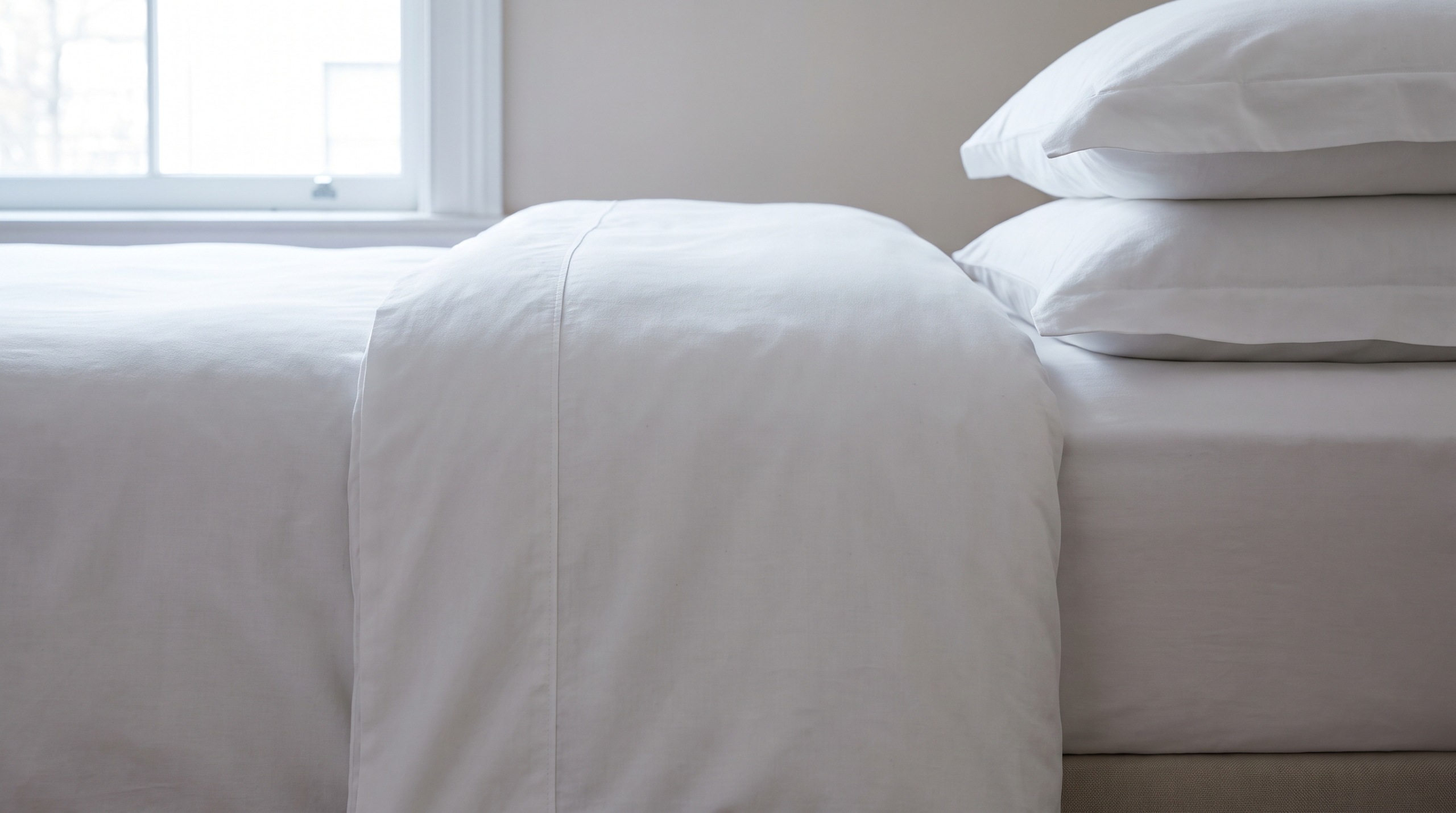
Percale feels crisp and cool to the touch, and stays matte.
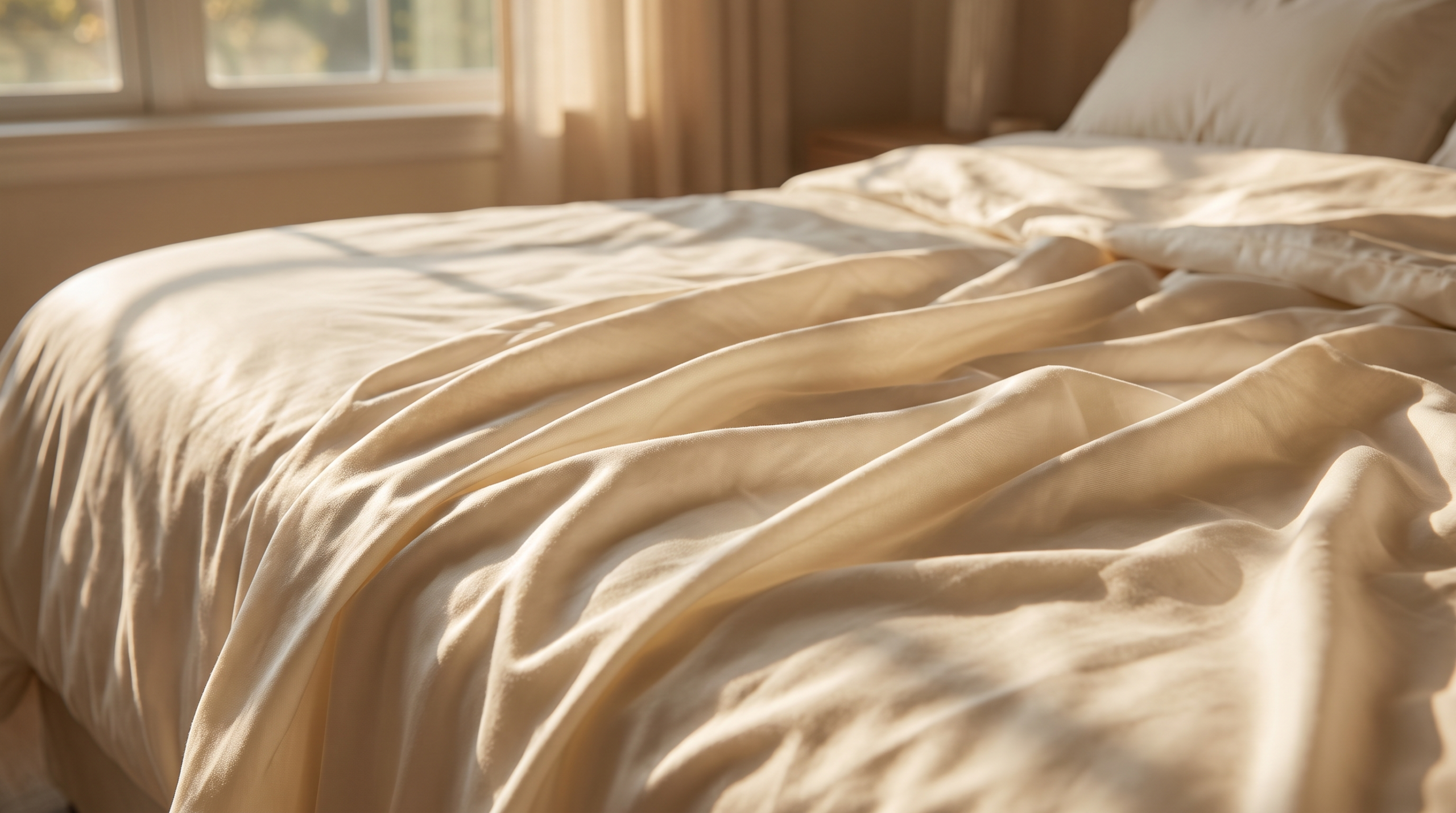
Sateen feels smooth and fluid, almost slippery, with a low sheen that reads as expensive on a made bed.
However, neither is objectively better. Meanwhile, people tend to have a strong instinctive preference within ten seconds of touching both. This preference is worth exploring in a store, even if you buy online.
Wrinkles and looks. Additionally, Percale wrinkles more, and it wears the look honestly. The aesthetic is ‘crisply rumpled,’ cousin to linen’s relaxed look but tidier. Moreover, Sateen resists wrinkling and drapes heavily. If a smooth, glossy, magazine-style bed matters to you, that’s sateen’s category to win.
Durability relates to aging. Percale typically lasts longer and gets softer with washing. Additionally, the tight simple weave has no exposed floats to snag or pill. Sateen’s floating threads are its beauty and its weakness. Sateen is more prone to snags. Lower-quality sateen can pill or lose its sheen within a year or two. A quality gap shows up faster in sateen than in percale. This is why the budget option is almost always percale.
Additionally, you can try this one.
The Thread Count Trap
Thread count is the number everyone shops by and the least useful one on the label.
Moreover, two things make it nearly meaningless in this comparison: sateen’s structure inflates thread counts naturally.
So a 400 percale and a 600 sateen can be comparable fabric, and manufacturers inflate further with multi-ply yarn accounting.
First, read about fiber quality: 100% long-staple cotton such as Egyptian, Pima, or long-staple varieties.
Then consider the weave itself.
Only then judge the thread count, roughly 200–400 for percale and 300–600 for sateen.
Anything advertising 1,000+ is marketing arithmetic, not better sleep.
Moreover, as with linen and robes, OEKO-TEX is a baseline.
Be skeptical of listings that hide the fiber details.
Additionally, you can try this one.
Which One Is for You
Choose percale if you sleep hot, share a bed with a furnace of a human, or live somewhere warm. Additionally, you may want the set that survives the most laundry days. Percale is also the safer blind buy — its quality floor is higher.
Choose sateen if you sleep cold.
Keep the bedroom seriously air-conditioned, and want the smooth, heavy drape.
Additionally, choose sateen if you dislike crispness against your skin or want the polished made-bed look.
The two-set answer: plenty of households run percale in summer.
Additionally, sateen is used in winter.
Sheets are seasonal textiles, pretending not to be.
However, if the real preference is ‘relaxed and textured’, neither weave is the answer.
That’s linen’s territory, and our linen sheets guide covers that fork of the decision tree.
The Bottom Line
Percale vs sateen isn’t premium vs premium — it’s cool-and-crisp vs warm-and-smooth. Therefore decide by your sleeping temperature first; hand-feel second, looks third, and read the fiber line instead of thread count. Sixty seconds of that beats an hour of review-scrolling.
Whichever weave wins, the finishing layer works the same.
Additionally, sheets set the base, and the throws and textures on top do the cozy work.
…
Once you’ve picked your sheet type, complete the bedroom with the best linen sheets on Amazon or browse cozy bedroom ideas on a budget for the full room setup.
This post contains affiliate links. If you buy through one of these links, we may earn a small commission. Additionally, there is no extra cost to you. We only recommend products we genuinely believe are worth your money.