


The entryway has an unfair job description: it’s usually the smallest zone in the house, and it’s asked to absorb the messiest moment of the day — the arrival, with its keys, mail, shoes, bags, jackets, and whatever the kids are carrying. When it fails, the clutter doesn’t stay there; it migrates inward, and the whole house feels slightly undone from the first step.
The fix isn’t more furniture. Small entryways fail from missing functions, not missing pieces — and there are exactly four functions. Cover them, even in three square feet, and the space runs itself. Here’s the system, plus the honest answer for homes where the front door opens straight into the living room.
The Four Zones (Every Entryway Needs All Four)
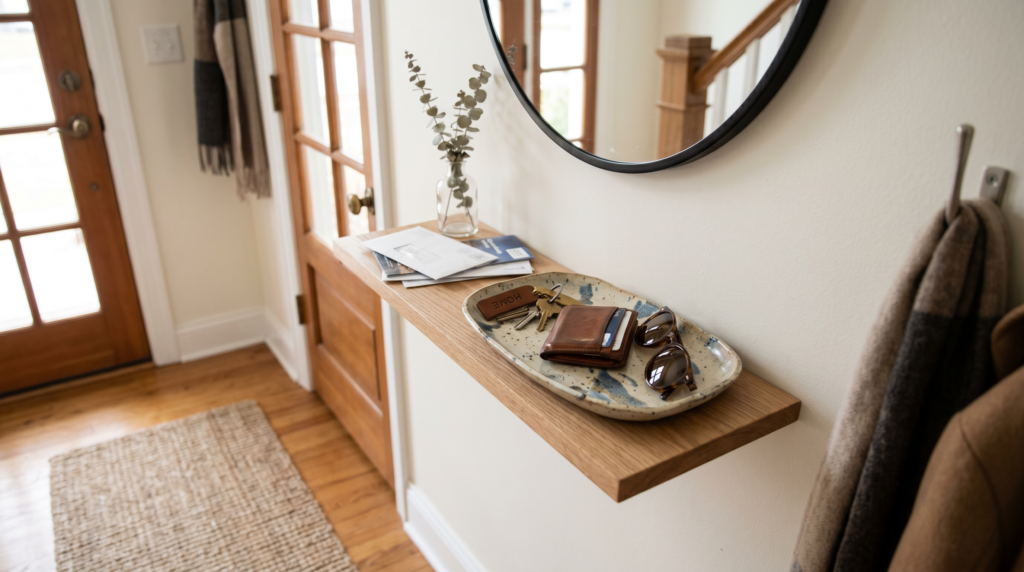
Zone 1: The Landing Spot. One small tray or bowl for keys, wallet, sunglasses — the pocket-dump. This is the highest-leverage object in the entire entryway: without a designated landing spot, every flat surface within ten feet becomes one. A wood or ceramic tray on the slimmest of shelves does it. The rule that makes it work: the tray holds today’s pocket contents only, nothing sleeps there for a week.
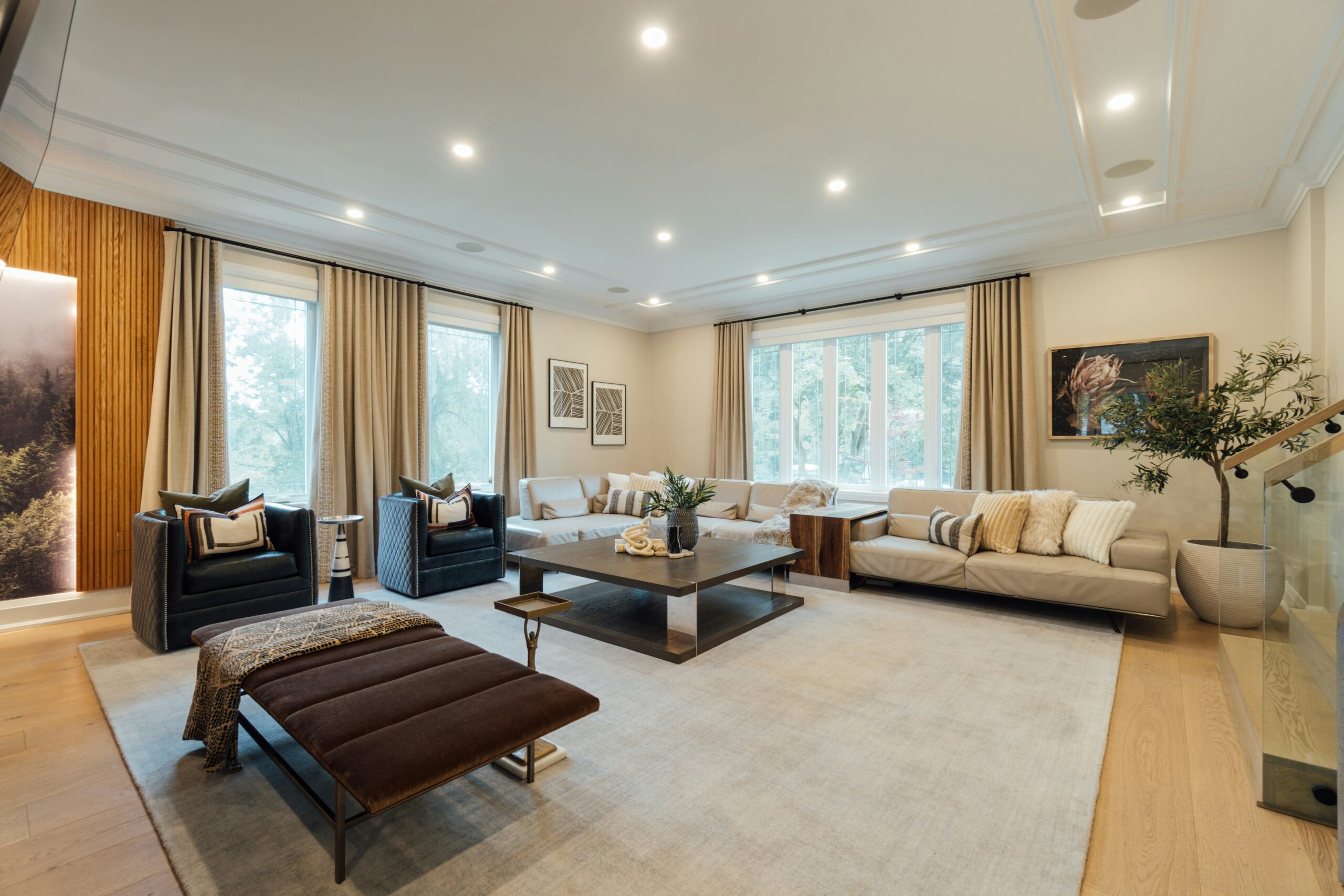
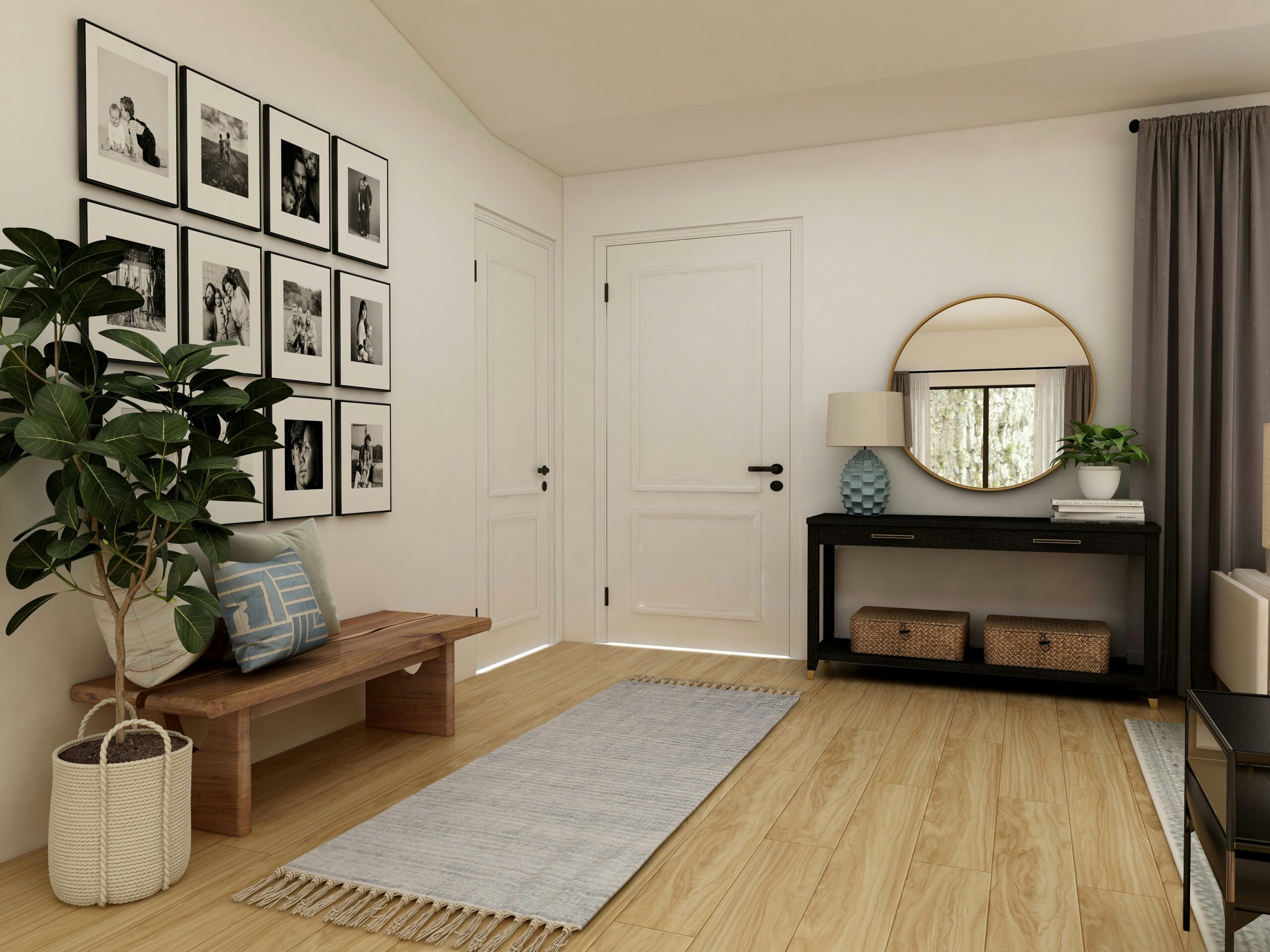
Check out this amazing console table! Perfect for any living room.
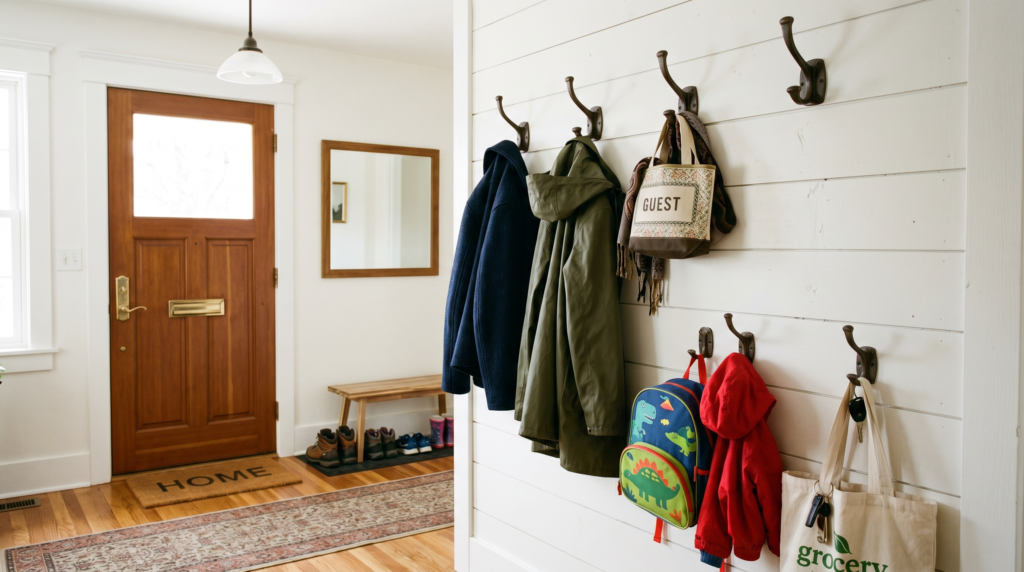
Zone 2: The Hang. Hooks beat closets in small spaces — a coat that requires a hanger and a closed door has maybe a 50% compliance rate; a hook by the door approaches 100%. Wall hooks at two heights (adults and kids/bags), one hook per person plus one for guests, and here’s the discipline that keeps it from becoming a textile avalanche: the hooks hold this week’s coats, not the coat archive. Off-season outerwear lives in the actual closet.
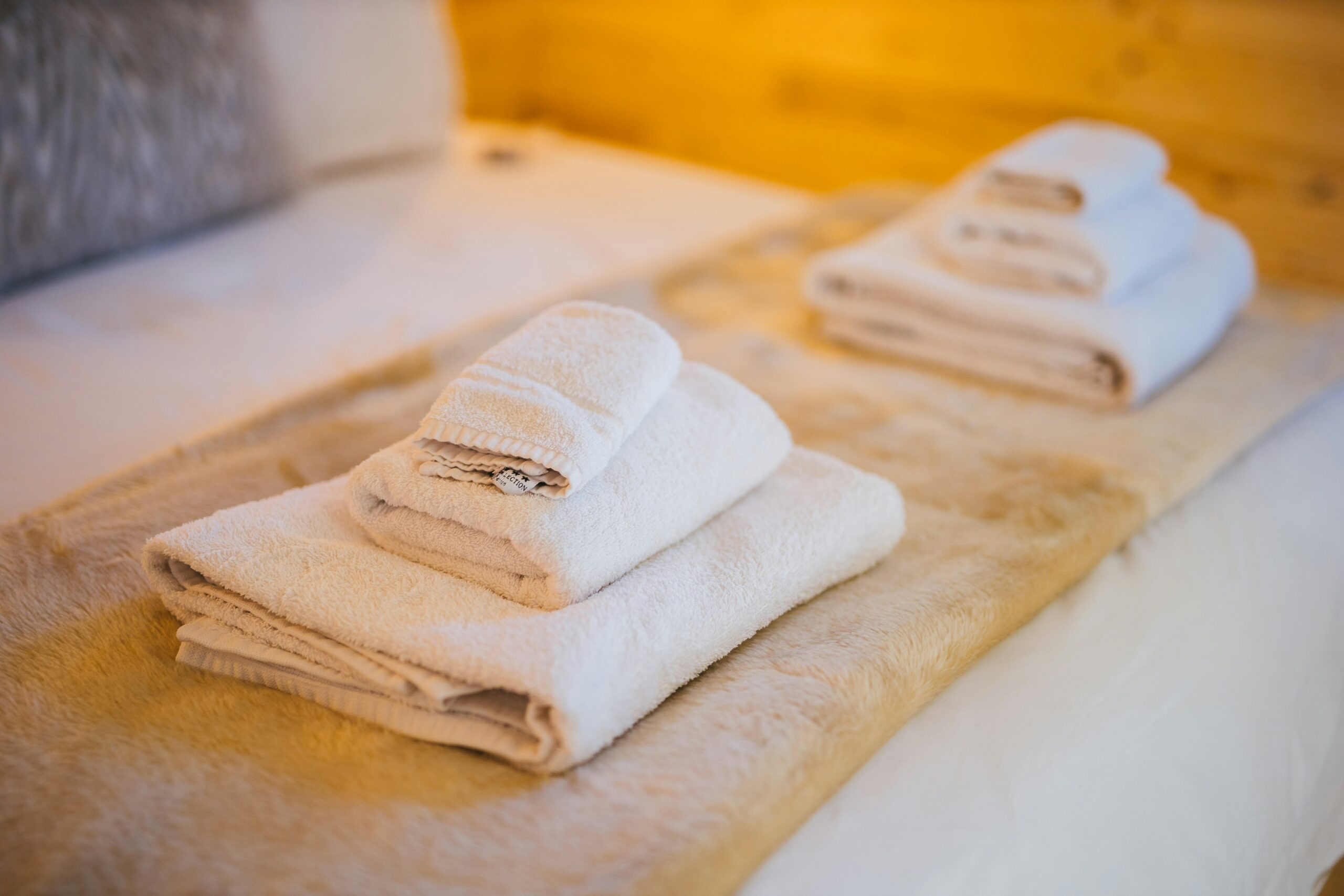
These hooks are perfect for coats and towels. So convenient and easy to use!
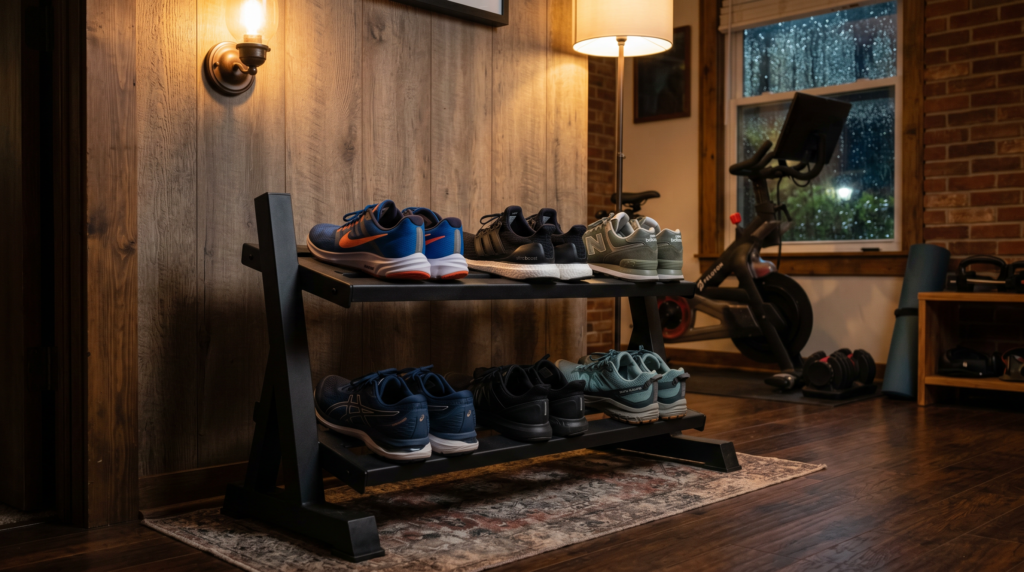
Zone 3: The Shoe Decision. Shoes are 80% of entryway visual chaos, and open shoe piles defeat every other effort. In tight spaces the choices are a slim closed cabinet (the shallow tilt-out kind lives happily in a 20cm-deep sliver of wall), a bench with baskets beneath, or a simple two-tier rack with a hard cap — the rack holds the pairs in current rotation, roughly two per person, and everything else returns to closets. The cap is the system; the furniture just enforces it.
This dresser is a great way to keep clothes organized!
Zone 4: The Mirror. Part function — the last-look before leaving — and part optics: in a cramped entry, one decent-sized mirror does more for the sense of space than any paint color, and it doubles whatever light the zone gets. If the entry is dark, a small warm lamp or a motion-sensor puck light under a shelf finishes the job; a dim entryway reads like a closet no matter how tidy it is.
This mirror is a game changer for any room. Sleek design, easy to set up!
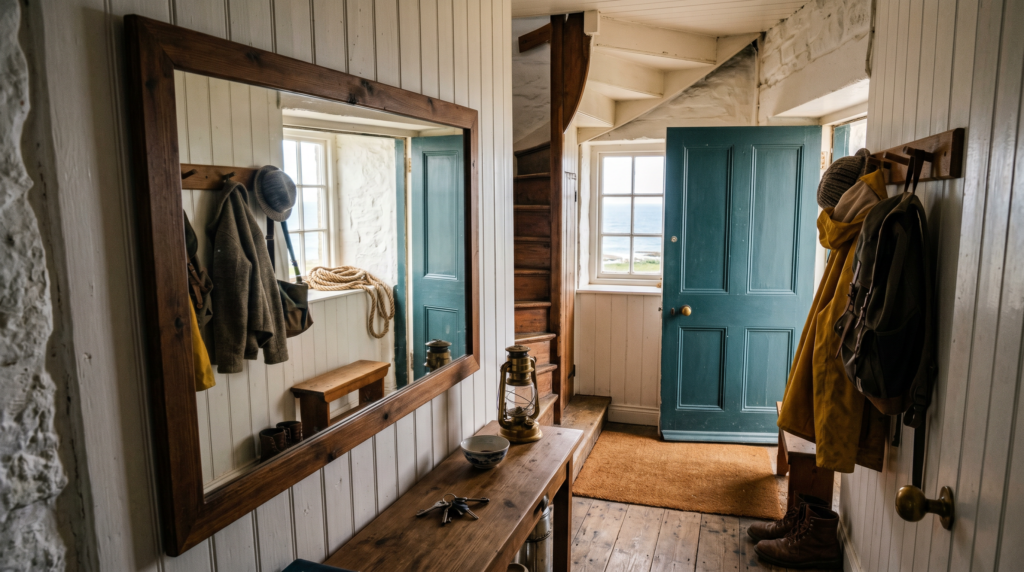
That’s the whole architecture: land, hang, stow, check. A narrow wall of 1.5 meters fits all four.
No Entryway at All? Build a Fake One
Millions of homes — including a large share of Florida floor plans — open directly into the living room. The answer is to imply an entryway with boundaries the floor plan didn’t provide:
A runner or small rug just inside the door draws the line — “this rectangle is the entry.” It’s remarkable how well a $30 rug disciplines where shoes come off.
A console table or slim bench perpendicular-ish to the door, even 25cm deep, creates the landing spot and a visual pause between “outside” and “home.” The wall behind it takes the hooks and mirror.
A folding screen or open shelving unit works in larger open plans as a soft wall — though in most cases the rug + console + hooks trio is enough, and lighter on the room.
The principle is the same one that makes warm minimal rooms work: zones read as intentional when they’re visually bounded, even if nothing physically separates them.
The Habits That Make It Stick
Furniture is half; the other half is three small rules that take a week to become automatic. The one-touch rule: things go to their zone on the way in, not “later” — later is how the dining table becomes a mail depot. The Sunday sweep: two minutes resetting the zones (tray emptied, stray shoes returned, hooks thinned) as part of whatever weekly reset rhythm you keep. The outbound shelf: returns, borrowed items, the package for the post office — one designated spot by the door, so leaving the house grabs them automatically. This is the same subtraction-first logic as our decluttering approach: the entryway stays clear because things have exits, not just entrances.
What to Skip in a Small Entryway
The category’s classic mistakes, briefly: the giant hall tree (does all four zones badly in the footprint of a wardrobe), open cubbies at kid height (become junk display within a month), decorative bowls plural (one landing tray; three bowls is clutter with better branding), and coat racks that stand on the floor — they tip, they sprawl, and they eat the exact square meter a small entry can’t spare. Wall-mounted everything is the small-space rule.
The Bottom Line
A small entryway isn’t a furnishing problem; it’s a systems problem with a four-part answer — somewhere to land, hang, stow, and check — plus a boundary if the floor plan forgot one. Total cost for the full system runs $80–150 new, half that thrifted, and the payoff is outsized: the entry is the first three seconds of coming home, and those three seconds set the tone for every room behind it.
Once the entryway is sorted, decluttering room by room tackles the rest of the house with the same logic. And for the decor layer, how to spot expensive-looking decor shows exactly what signals matter.
This post contains affiliate links. If you buy through one of these links, we may earn a small commission at no extra cost to you. We only recommend products we genuinely believe are worth your money.