



Slow living is one of those phrases that sounds like it belongs on a candle or a Pinterest board, which is unfortunate — because the actual idea is more radical and more practical than the aesthetic suggests.
The short version: slow living is the deliberate choice to trade speed and volume for depth and attention. It’s not about doing less — it’s about doing things with full awareness rather than on autopilot.
This is the guide I wish existed when I first encountered the term — one that takes the philosophy seriously, separates it from the lifestyle content that co-opts it, and gives you a concrete framework for applying it.
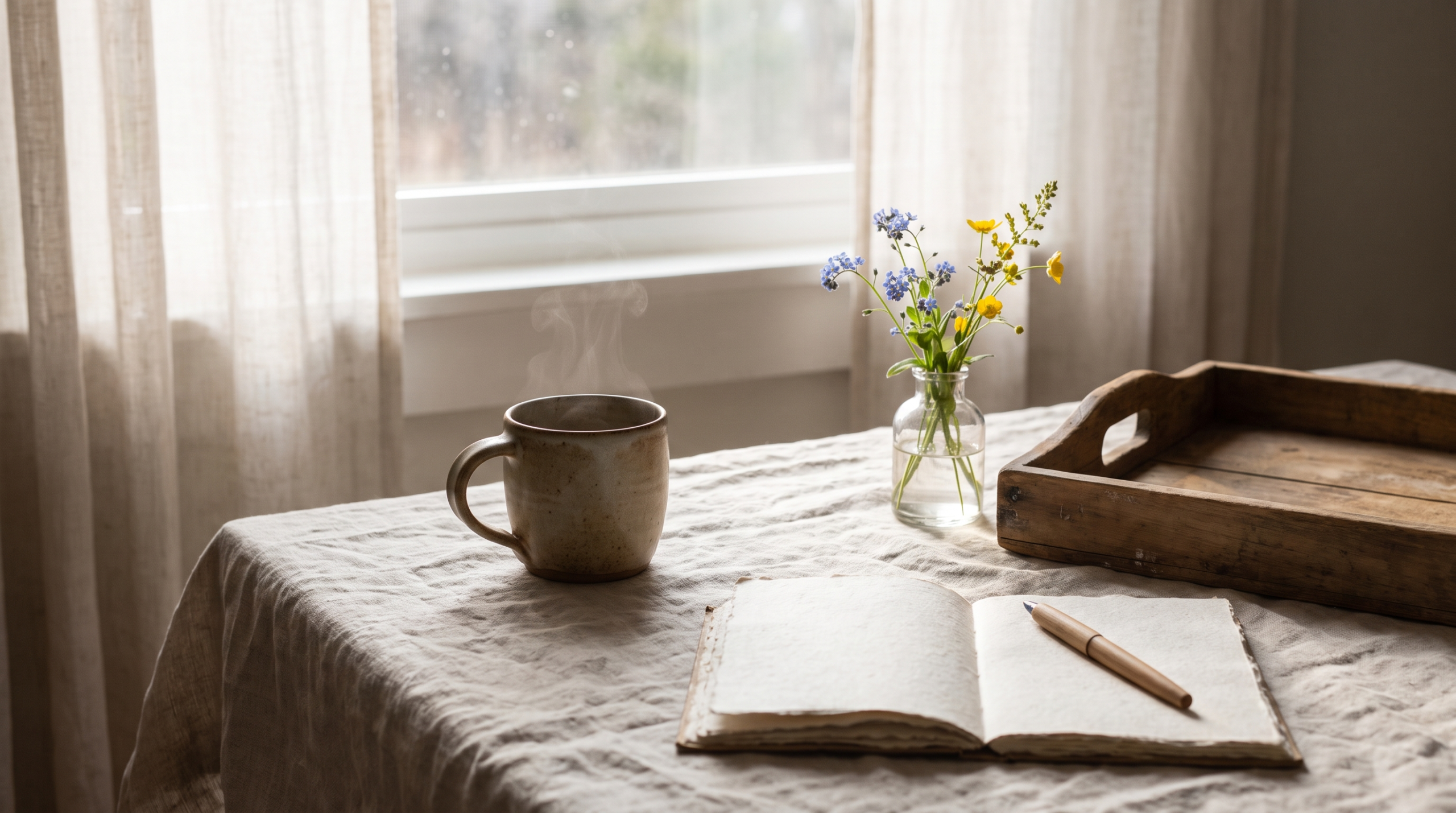
What Slow Living Actually Means
The slow living movement has roots in the Slow Food movement, which started in Italy in 1989 as a response to the opening of a McDonald’s near the Spanish Steps in Rome. The original premise was simple: the industrialization of food production destroys not just taste but culture, connection, and ecological integrity. The alternative isn’t just eating “better food” — it’s recovering the entire context around food: who made it, where it came from, the time it takes to prepare and eat it.
This logic extends beyond food. Slow living applies the same critique to how we work, consume, move, connect, and rest. Every domain of modern life has been subjected to the same optimization logic — maximize throughput, minimize time, abstract away process. Slow living pushes back against this in all of them.
What it is:
- Choosing depth over breadth (fewer things, relationships, commitments — but more present to each)
- Recovering attention from distraction as an ongoing practice
- Designing daily life around what you actually value, rather than what culture assumes you value
- Accepting that some things shouldn’t be faster — meals, conversations, recovery, creative work
What it isn’t:
- Moving to a farmhouse and growing your own food (you can practice slow living in a Manhattan apartment)
- Being unproductive or uncommitted
- An aesthetic — linen, candles, and vintage ceramics are optional
- Retirement or privilege (slow living is about how you do things, not how much you do)
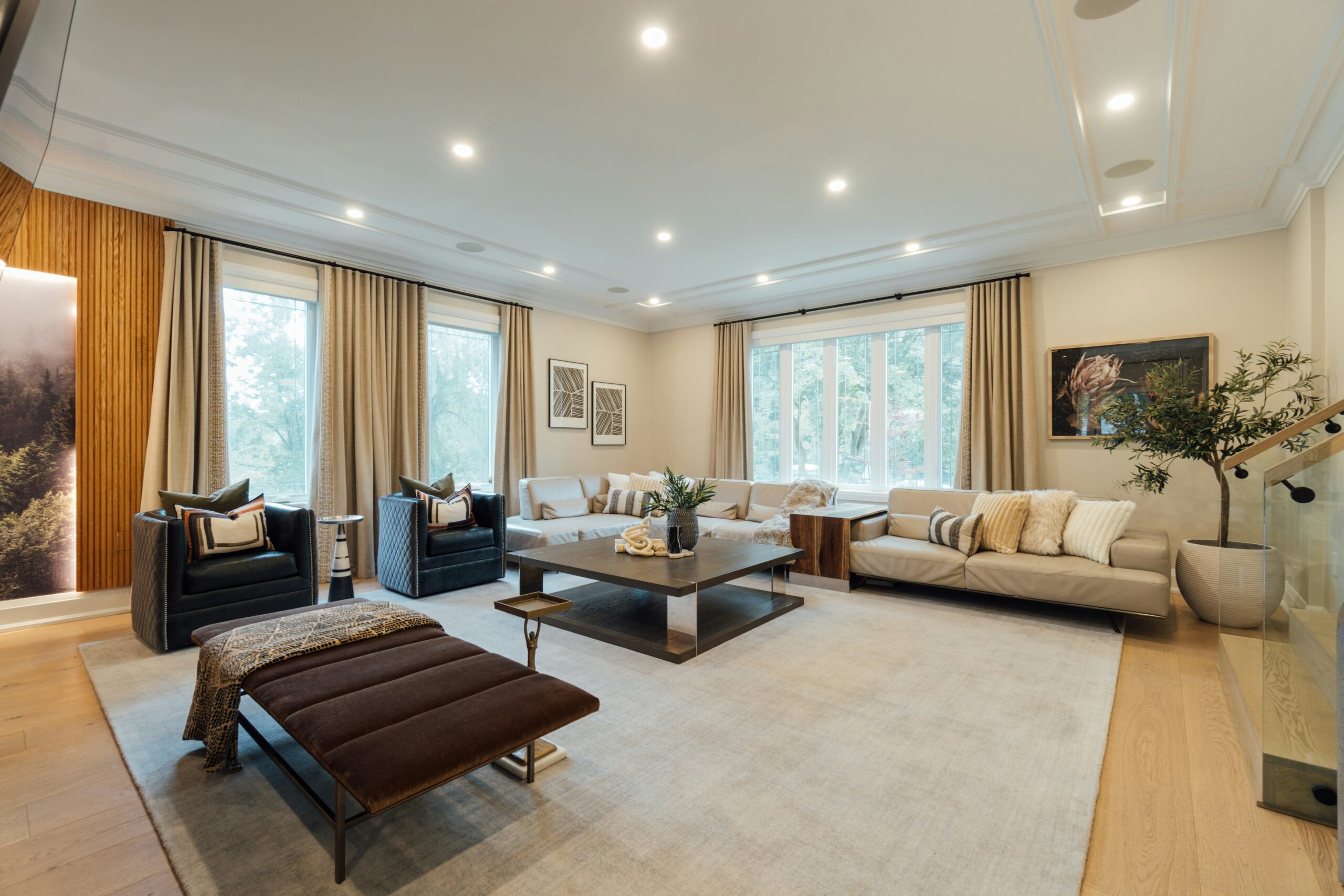
For a home that invites slow living, explore The Kinfolk Home’s interiors.
The Core Tension: Optimization vs. Attention
Modern life is organized around one primary value: efficiency. The assumption is that faster, cheaper, and more scalable is always better. This logic works in manufacturing. Applied to human experience, it produces the opposite of what it promises.
Research on this is fairly consistent: Speed and multitasking create the feeling of productivity while reducing the quality of attention, the depth of experience, and often the actual output. Cal Newport’s work on deep work, Matthew Crawford’s The World Beyond Your Head, and the growing literature on attention economics all point to the same conclusion: the conditions for doing anything well — any relationship, any work, any experience — require time and presence, not optimization.
Slow living is the practical application of this insight. Not a philosophy you hold but a series of practices you choose.
5 Domains of Slow Living (And What They Actually Look Like)
1. Slow Mornings
The morning routine is the highest-leverage slow living intervention because it sets the baseline for the entire day. The alternative — phone within 60 seconds of waking, news, social media, reactive responding before your own thinking has started — is one of the most thoroughly studied attention-degrading patterns in modern life.
A slow morning doesn’t require an hour of journaling and yoga (though it can). It requires:
- No phone for the first 30 minutes (the exact number matters less than the principle)
- One sensory anchor — coffee made with attention, not grabbed and consumed in transit
- Intention before reaction — what do you actually want to accomplish today, before anyone else’s demands land
The equipment for a slow morning ritual is minimal: a good coffee or tea setup, a journal, possibly a meditation app during the learning phase.
(See also: Morning Routine Ideas for a Calmer Day — specific routines and products.)
Start your mornings with intention and calm. This journal will help you create a peaceful routine.
2. Slow Consumption
Slow living has a complicated relationship with consumerism. On one hand, the aesthetic version of slow living involves purchasing a lot of expensive linen and artisan ceramics. On the other hand, the actual philosophy is about consuming less, more intentionally.
The distinction: slow consumption means fewer, better things purchased with deliberation rather than impulse.
Practically:
- Apply a 48-hour rule to non-essential purchases (want it in 48 hours? buy it; don’t? the desire was situational)
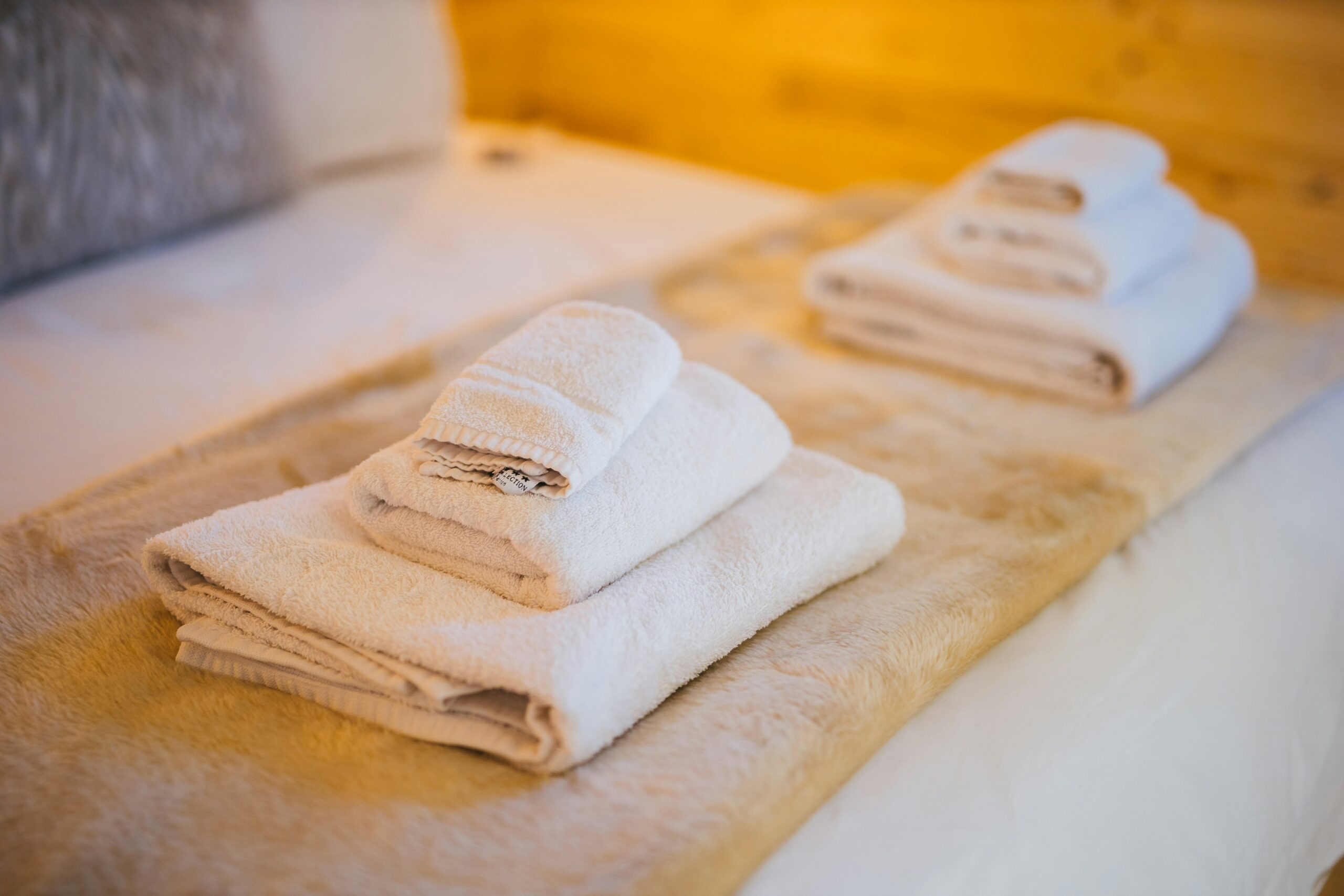
- Buy once, buy well — a $45 Turkish cotton towel that lasts 10 years vs. three $12 towels that deteriorate in two
- Resist the “I’ll organize it” reflex — the solution to too much stuff is usually less stuff, not better storage
Looking to find some peace? This book is perfect for mindfulness and nature lovers alike!
3. Slow Food
You don’t have to cook everything from scratch. Slow food is about the context of eating as much as the food itself:
- Eating at a table, not a screen
- Meals as a social ritual when possible, not a refueling stop
- Cooking one meal a week with full attention (not while watching something)
- Noticing what you’re eating while eating it
The equipment investment here pays off significantly: a good cutting board, sharp knives, one quality pot. These items transform cooking from a chore into an activity that can carry attention.
Looking for some good reads? Check out this great book!
4. Slow Space
Your environment shapes your attention. A cluttered, overstimulating home produces a cluttered, overstimulated mind — this is not metaphor, it’s consistent with how sensory processing research works.
Slow living at home means:
- Editing ruthlessly — surfaces cleared, objects intentional
- Sensory design: warm light, natural materials, scent (reed diffusers > synthetic air fresheners)
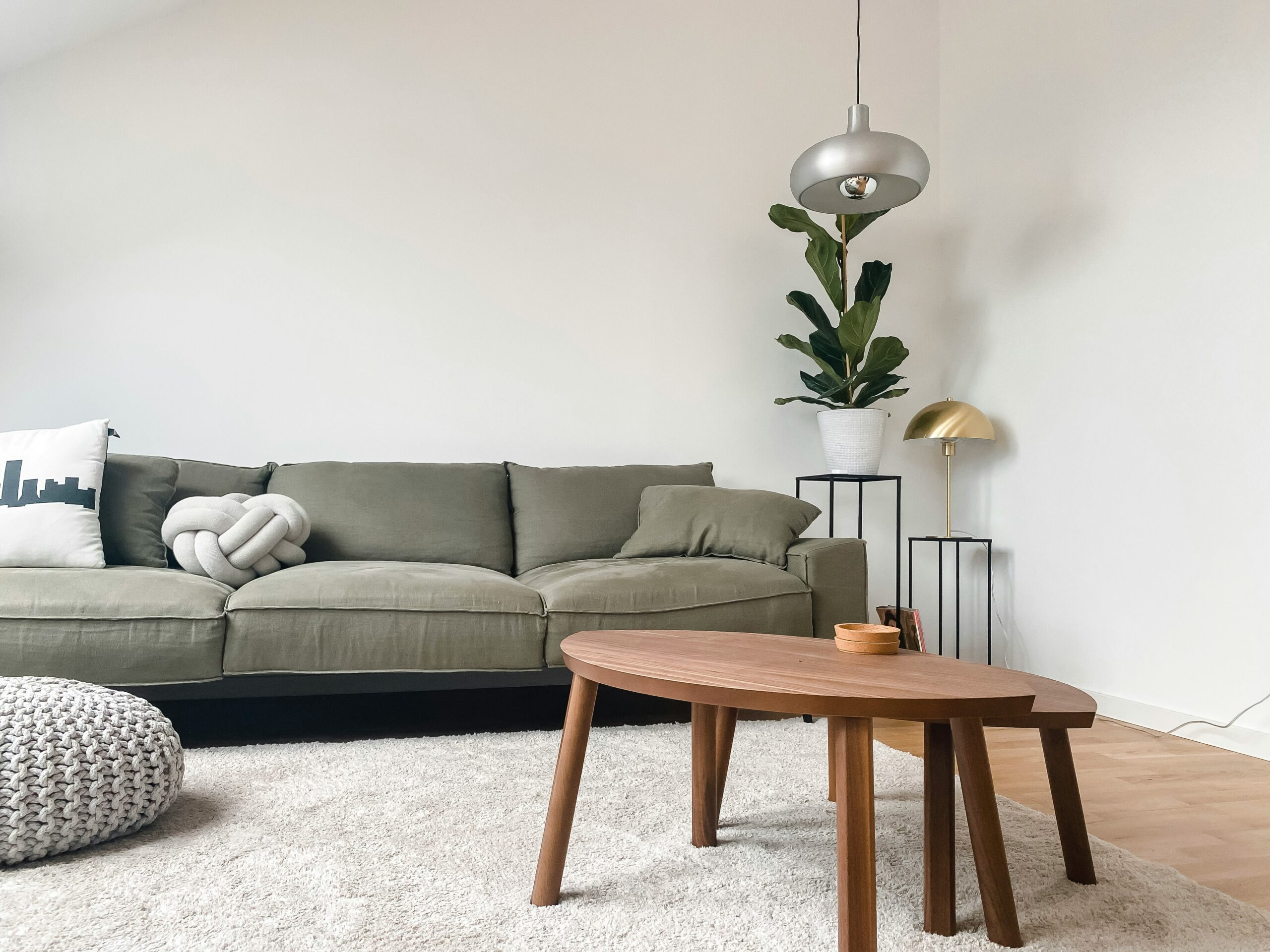
- A dedicated rest space — not just a sofa facing a TV, but somewhere that’s genuinely for non-doing
(See our Home & Decor section for specific product recommendations.)
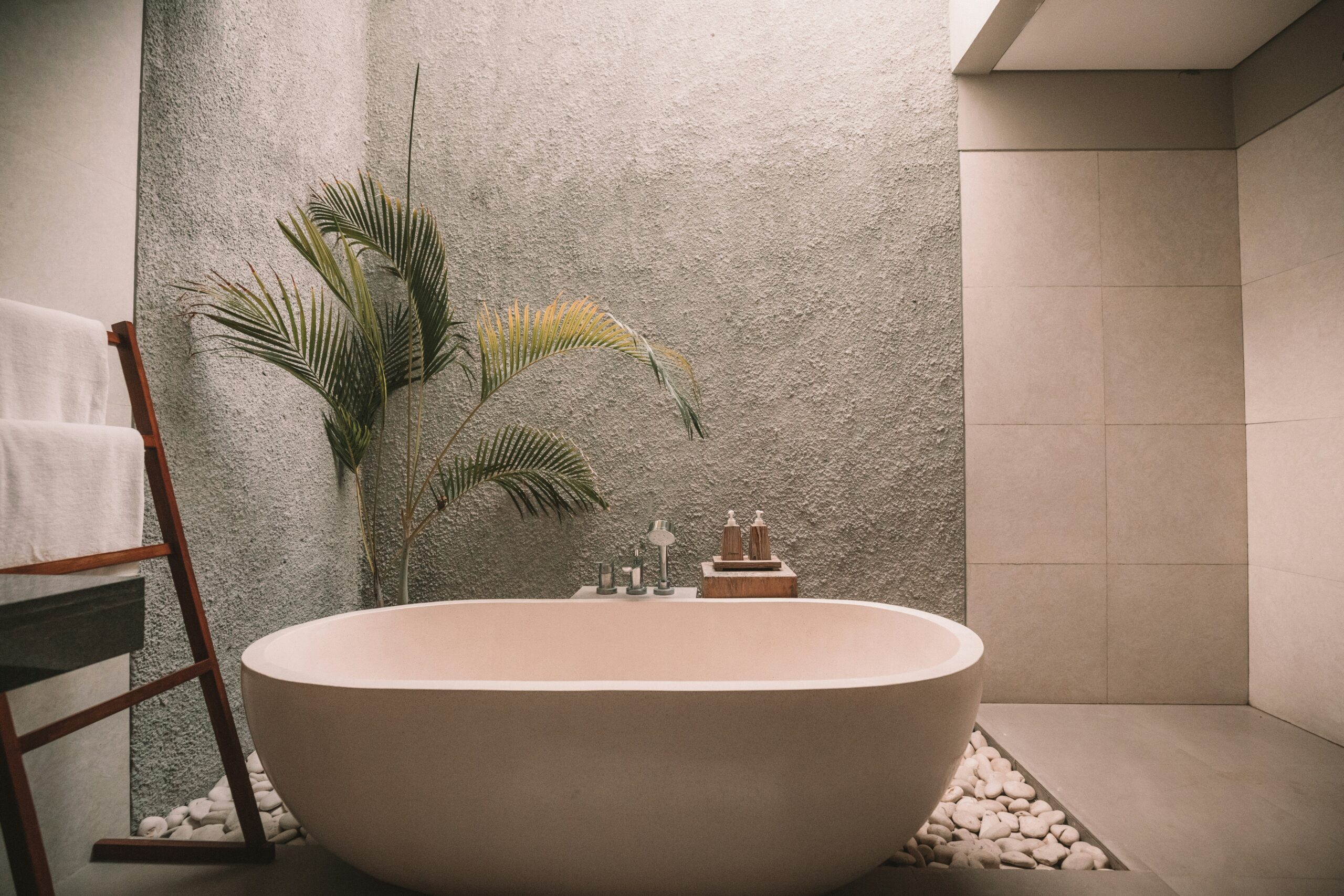
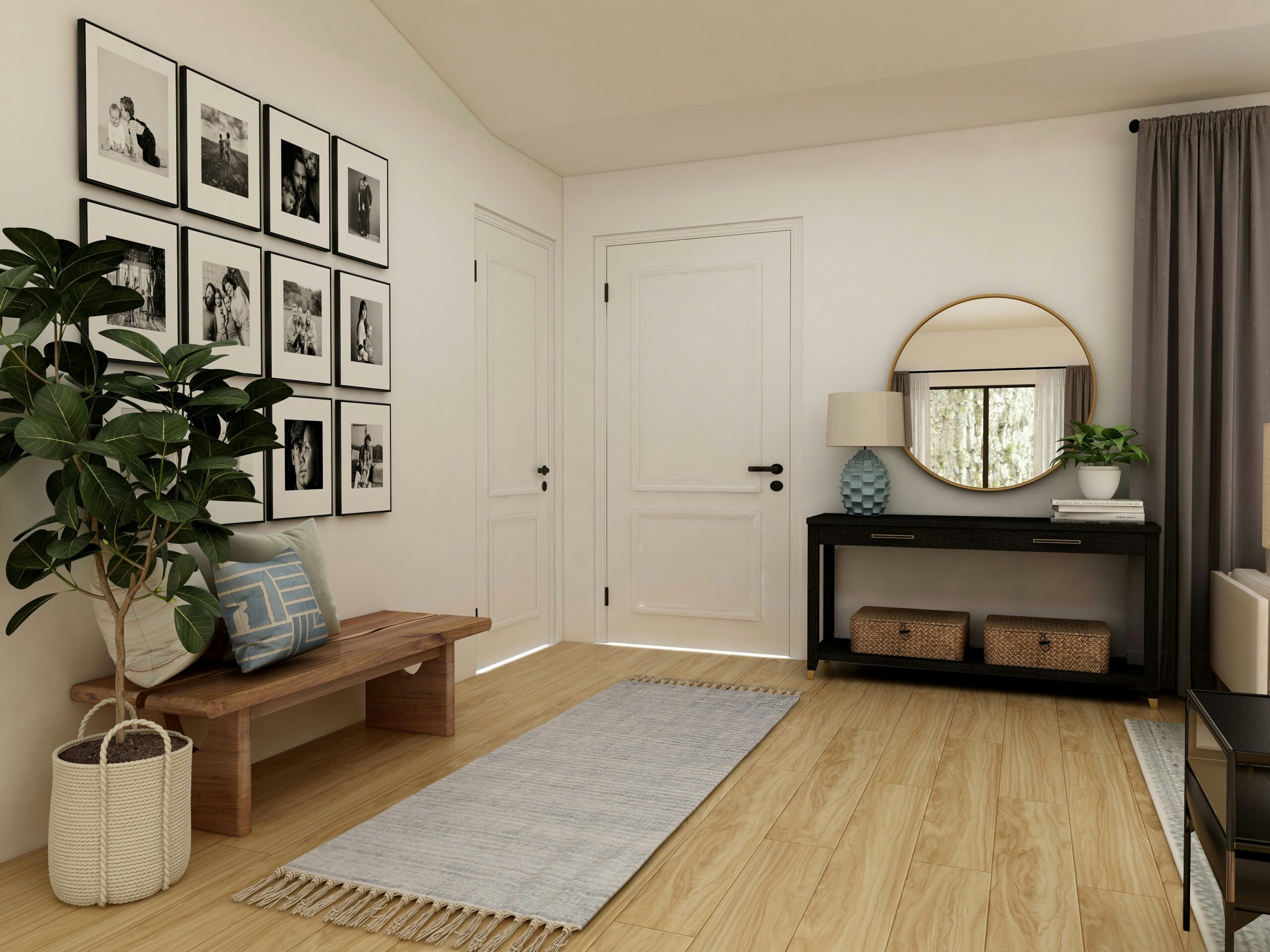
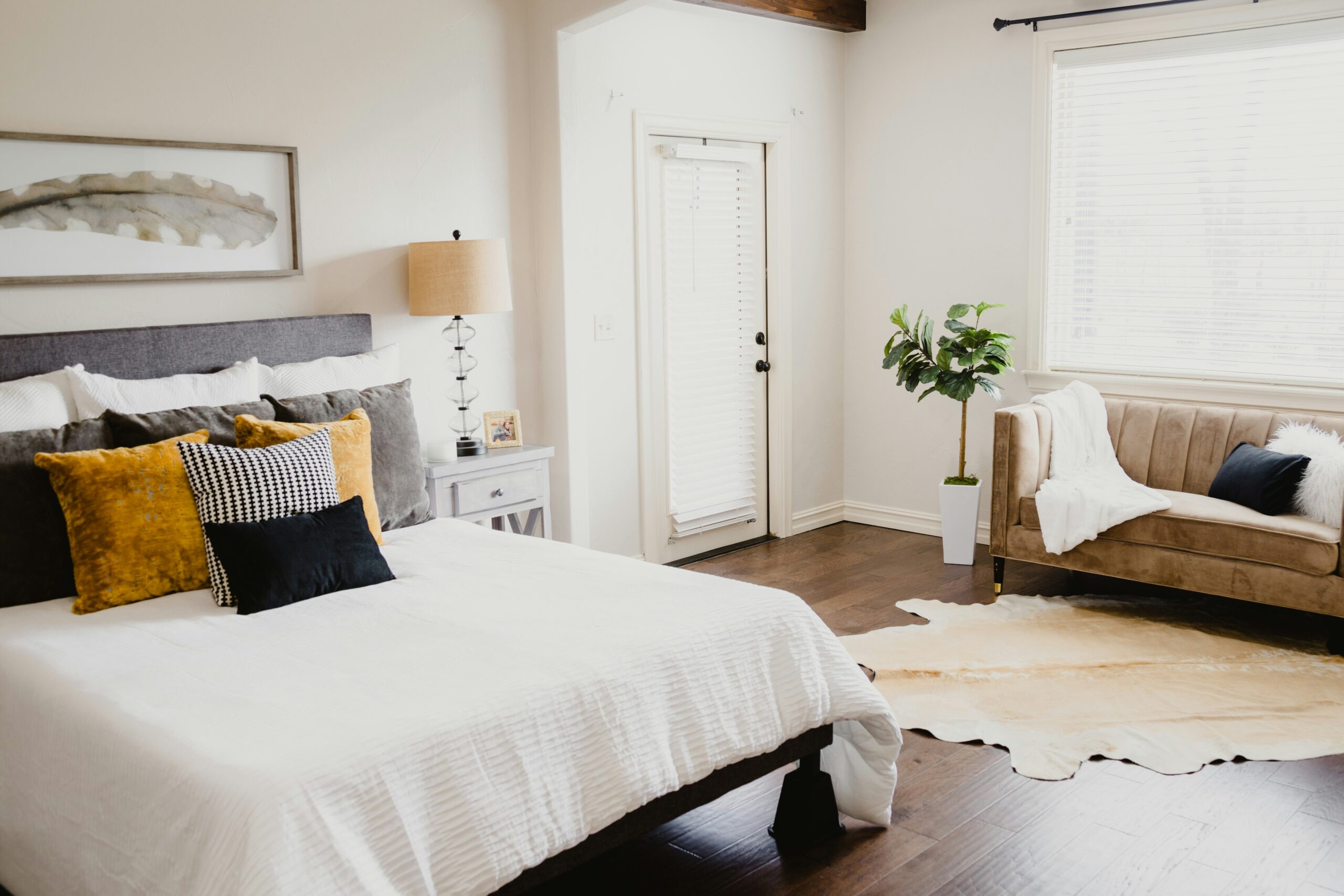
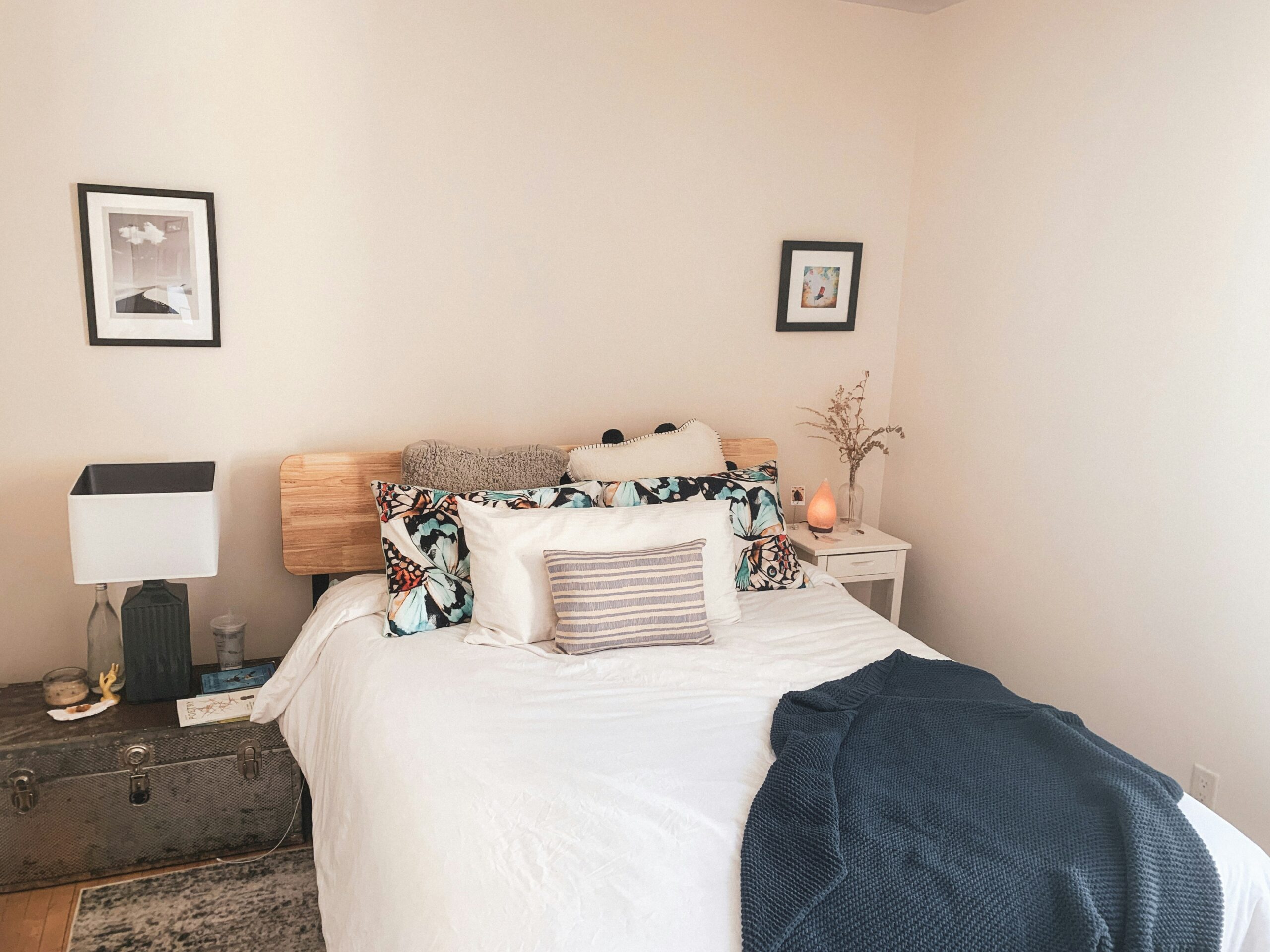
These spaces are perfect for slow living!
5. Slow Relationships
This is the domain most slow living content ignores, probably because it’s harder to monetize.
Speed erodes relationships the same way it erodes everything else. The patterns that produce shallow connection:
- Communicating primarily via text (asynchronous, context-stripped)
- “Catching up” in compressed, scheduled windows
- Presence in the same room without shared attention (both on devices)
Slow relationship practice: one in-person or fully-present conversation per week with someone you care about — no phones on the table, enough time to get past the logistical update phase into actual exchange.
No product to link here. This is the one that costs nothing and returns everything.
Slow down to feel better. This book is a game-changer for your well-being.
Common Objections (And Real Answers)
“I don’t have time for slow living.” The paradox: the people who feel they have the least time are usually the ones most urgently in need of the practices. Slow living doesn’t add time — it changes the quality of the time you have. Starting with 20 minutes in the morning requires no schedule restructuring.
“Isn’t this just for people who can afford it?” The expensive-linen version of slow living, yes. The actual practice: no. Paying full attention to a meal you already made costs nothing. Leaving your phone in another room during a conversation is free. Slow living commodifies poorly, which is why the aesthetic version gets sold back to us — but the philosophy itself is available to anyone.
“I’d fall behind if I slowed down.” Most people are already behind — on rest, on relationships, on the work they actually care about — while being very busy. Slow living is about redirecting attention from volume to depth. The output question is empirical: most people who apply these practices report doing their actual best work more consistently, not less.
How to Start: The 5-Day Slow Living Experiment
Don’t try to change everything. Pick one:
| Day | Practice | Time Required |
|---|---|---|
| Day 1 | No phone for first 30 minutes of the day | 30 min |
| Day 2 | Eat one meal without a screen | 20 min |
| Day 3 | Clear one surface in your home completely | 15 min |
| Day 4 | One conversation without your phone on the table | — |
| Day 5 | Write 3 sentences about what you actually want your days to feel like | 10 min |
The experiment isn’t about finding the practice that feels easiest — it’s about noticing which one produces the strongest internal resistance, because that’s the most useful one.
Recommended Reading
The philosophy has a real literature beyond lifestyle content:
- In Praise of Slowness — Carl Honoré (the foundational text)
- Digital Minimalism — Cal Newport (attention and technology)
- The World Beyond Your Head — Matthew Crawford (attention and environment)
- Essentialism — Greg McKeown (decision-making framework that complements slow living)
FAQ
Is slow living the same as minimalism? Related but distinct. Minimalism is primarily about having fewer objects. Slow living is about how you spend attention — you can be a minimalist and still live at frantic speed. Slow living applies the same editing instinct to time, relationships, and experience, not just possessions.
Can you practice slow living if you have children? Yes, though the application looks different. The core practices — presence over multitasking, ritual over routine, intention over autopilot — apply regardless of household structure. Parents often report that slow living is most impactful specifically because of children: undistracted presence during ordinary moments becomes the practice.
Where do I start if I’m overwhelmed? Morning routine, always. It’s the highest-leverage intervention and it requires no permission from anyone else in your life to implement.
Is slow living a reaction against technology? Against its unconditional use, yes. Slow living isn’t anti-technology — it’s anti-automation of attention. The question is always: is this technology serving what I value, or is it extracting my attention for someone else’s benefit?
Final Thought
Slow living is not a retreat from the world. It’s a more deliberate engagement with it.
The goal isn’t a quieter life in the sense of less activity. It’s a quieter life in the sense of less noise — the constant background static of reactivity, overconsumption, and distraction that makes it hard to hear yourself, the people you love, or the work that actually matters to you.
That quiet is available now. Not after some future life change — right now, in the first 30 minutes of tomorrow morning.
Slow living starts with the morning — morning routine ideas gives you the practical framework. And the home environment matters too: a reading nook is one of the simplest physical anchors for a slower pace.
This post contains affiliate links. If you buy through one of these links, we may earn a small commission at no extra cost to you. We only recommend products we genuinely believe are worth your money.