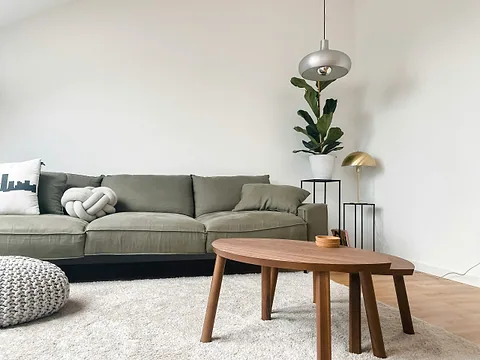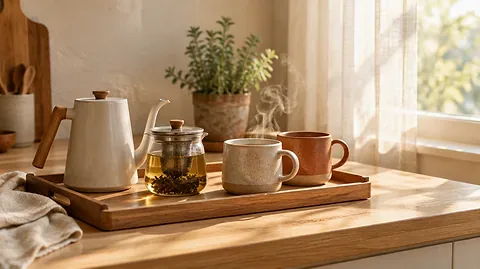



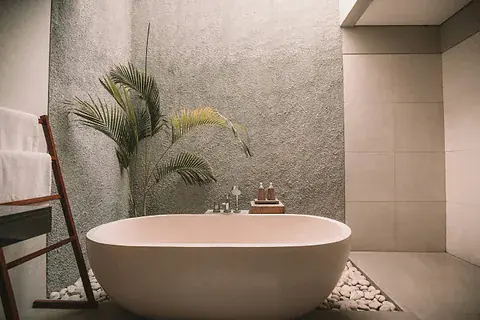


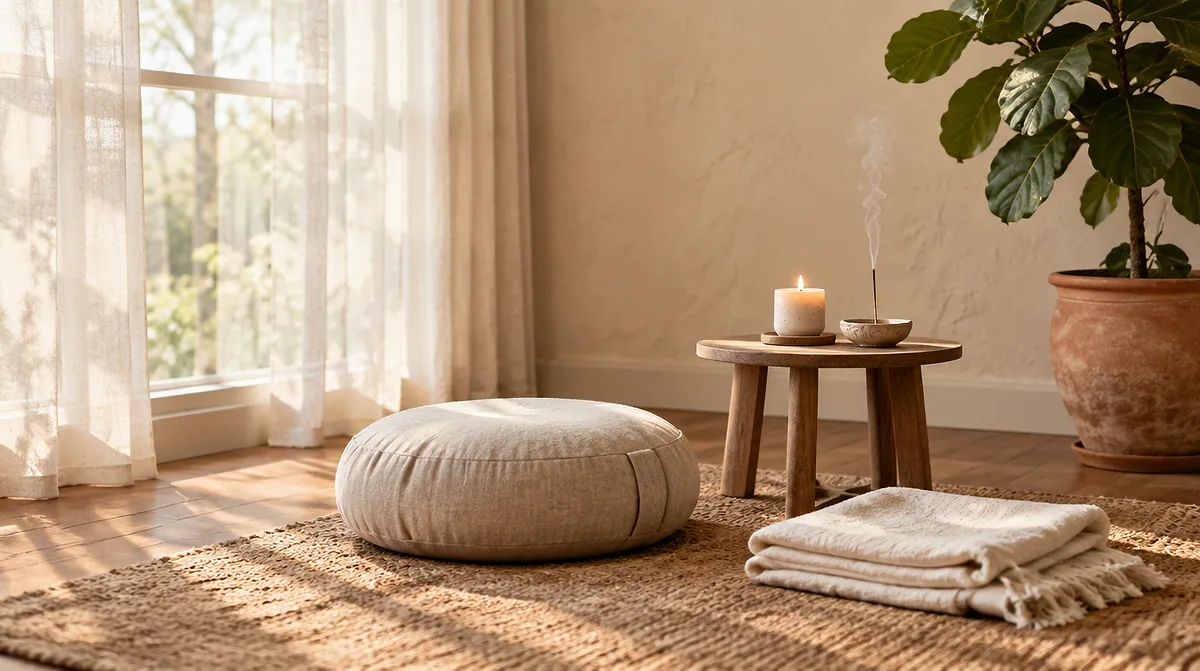
In a culture that rewards constant motion, carving out even a small corner for stillness can feel radical. A meditation corner isn’t about having a dedicated room or an elaborate setup — it’s about designating one quiet spot in your home that signals to your mind and body: this is where I slow down.
Wellness experts point to 2026 as the year of restorative rituals — a shift away from high-intensity everything toward stillness, sensory awareness, and mindful care of body and mind. Building a meditation corner is one of the simplest, most tangible ways to bring that philosophy into your everyday life.
Here’s how to create one that actually gets used.
Why a Dedicated Space Matters
Meditation doesn’t require a special place to “work,” but having one removes friction. When your cushion is already out, your candle already there, you’re far more likely to sit down for five quiet minutes than if you have to assemble a setup from scratch every time. The space becomes a cue — the same way a made bed signals rest, a ready meditation corner signals presence.
Choose the Right Spot
Look for a corner that’s naturally quieter than the rest of your home — away from the TV, the kitchen, and heavy foot traffic. A spot near a window is ideal: natural light supports a calmer nervous system and gives you a reason to return morning after morning. It doesn’t need to be large. A 3×3 foot corner is enough for a cushion, a small table, and a plant.
Ground the Space with a Meditation Cushion
The single most important piece of a meditation corner is something to sit on. A dedicated cushion — often called a zafu — elevates the hips slightly above the knees, which makes an upright, comfortable seated posture much easier to hold for longer stretches than sitting flat on the floor.
Look for natural, breathable covers like linen or cotton in a neutral tone — they tend to age well and fit almost any interior style.
Add Warmth with a Weighted Blanket
Weighted blankets have become one of the most talked-about tools in the broader restorative-wellness movement, and for good reason: the gentle, even pressure is often described as calming for the nervous system, similar to the effect of a firm hug. Draped over your shoulders during a seated practice, or folded nearby for a few minutes of quiet rest afterward, a weighted blanket turns a meditation corner into a space for full-body decompression, not just mental focus.
Set the Mood with an Aromatherapy Diffuser
Scent is one of the fastest ways to shift your mental state. A few minutes with a diffuser running — lavender, sandalwood, or a calming blend — helps mark the transition from “doing” mode into “being” mode. Choose a diffuser with a simple, quiet mechanism and a design that fits your space rather than dominates it; wood or ceramic finishes tend to feel more at home in a slow living setup than plastic ones.
Bring in Sound with a Singing Bowl
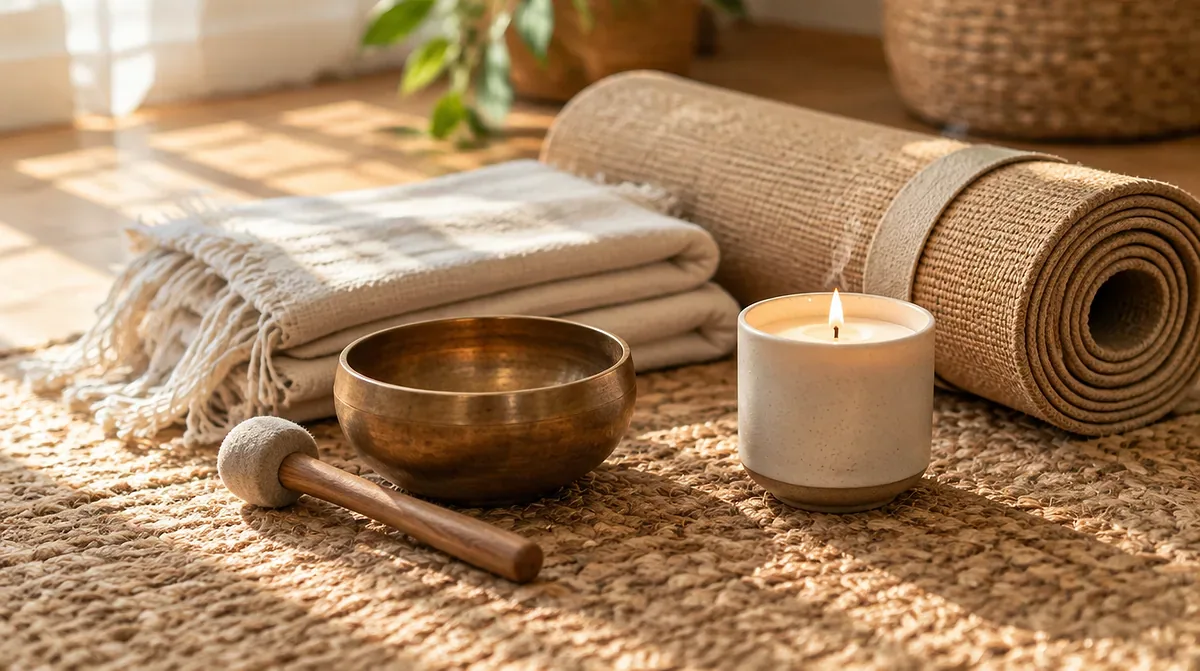
A singing bowl serves two purposes: it gives you a simple ritual to open and close a sitting (one strike to begin, one to end), and the sound itself — a long, resonant tone — has a naturally grounding effect. You don’t need experience to use one; a light tap with the included mallet is enough to mark the beginning of stillness.
Layer In a Mat for Movement
Not every restorative practice is seated. Gentle stretching, breathwork, or a few minutes of floor-based movement before or after meditation rounds out the space. A simple, natural-texture mat — rolled up and tucked beside the cushion when not in use — keeps the corner flexible without adding clutter.
Keep It Simple
The temptation with any new space is to over-furnish it. Resist that. A meditation corner works best when it stays uncluttered: a cushion, a blanket, maybe a plant and a candle. Leave your phone out of the space entirely — this corner should be one of the few places in your home with zero screens.
Start small. Even five minutes a day in a space built for stillness is enough to feel the shift toward a slower, more intentional life.
This post contains affiliate links. As an Amazon Associate, we earn from qualifying purchases at no extra cost to you. See our Affiliate Disclosure for details.