



Most decluttering advice fails for the same reason: it’s motivated by shame, executed in a single overwhelming session, and unsupported by systems that prevent re-accumulation.
This guide shows you how to declutter your home room by room, built around three principles — decision batching, threshold rules, and maintenance infrastructure — that create lasting results rather than a temporary clean house that deteriorates in six weeks.
It’s also honest about what products actually help versus what’s sold to people who are mid-declutter and vulnerable to buying “organization solutions” they don’t need.
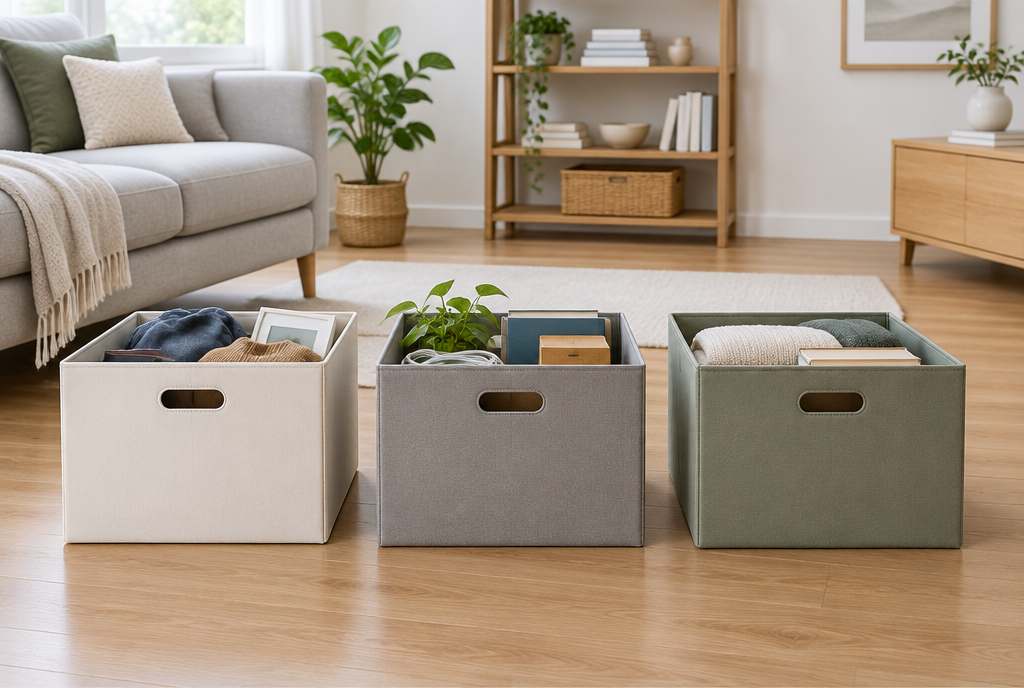
Why Most Decluttering Fails
The standard approach: get motivated, spend a weekend pulling everything out, make emotional decisions on each individual item, run out of energy by 3pm, shove most things back, feel worse than before.
The problem is decision fatigue. Human cognition degrades with each decision made. Asking yourself “do I need this?” for 300 individual objects in a single session guarantees poor outcomes by item 100.
The fix is batching — making one type of decision across many objects at once (all clothes first, then all books) rather than object by object, room by room. This is what makes the KonMari method structurally superior to traditional room-by-room decluttering, even if the “spark joy” framing isn’t everyone’s language.
This guide combines KonMari’s category-batching insight with a room-by-room framework, which works better for people who rent, share space, or can’t pull everything out at once.
Before You Start: The Three-Box System
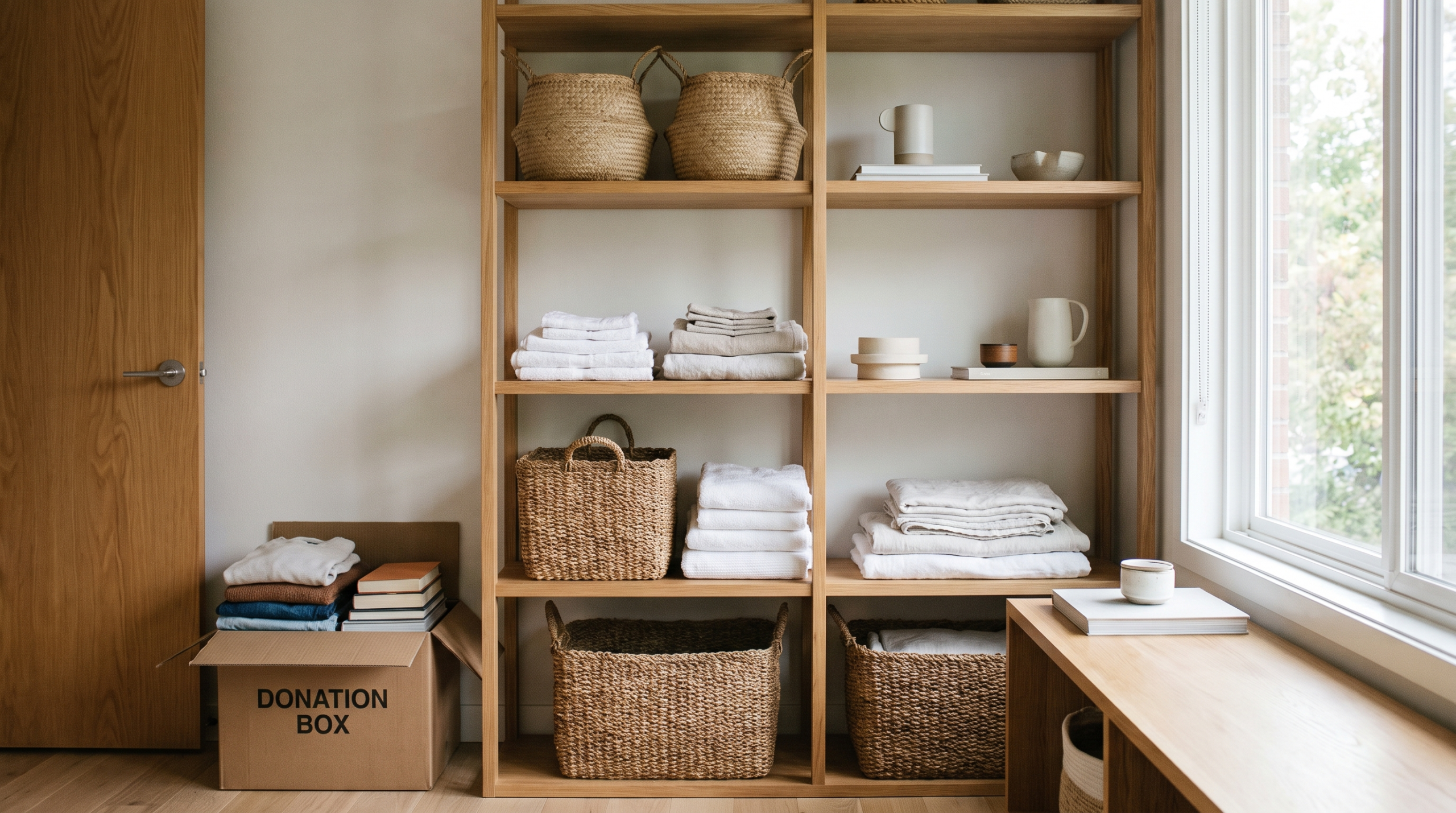
Every decluttering session uses three labeled boxes or bags:
- OUT — leaves the house (donate, sell, trash)
- ELSEWHERE — belongs in a different room
- KEEP — stays, goes back intentionally
The “ELSEWHERE” box is often missing from declutter guides and it’s critical. It stops you from wandering room to room mid-session, losing momentum.
Recommended: Clear plastic bins or large canvas totes work well for this. Label them with masking tape.
The Room-by-Room Method
Work through rooms in this order: lowest emotional stakes to highest. Most people make the mistake of starting with the bedroom (high attachment, clothing decisions are hard). Start with spaces where objects have less personal charge.
Recommended Order:
- Bathroom
- Kitchen
- Living Room
- Home Office / Entryway
- Bedroom
- Closets (last — most emotionally loaded)
Room 1: Bathroom
The Threshold Rule for Bathrooms: If it doesn’t have a clear, single purpose and a specific home, it leaves.
What to declutter first:
- Expired products (check dates — most people have skincare/medications expired 2+ years ago)
- Duplicate items (4 half-empty shampoo bottles = 1 problem)
- Products you never use but keep “just in case”
- Hotel amenity bottles (keep 2, donate or trash the rest)
What to keep, organized:
- Daily use items: accessible, on the counter or top shelf
- Weekly use: second shelf
- Monthly use or backup: under sink, in labeled containers
These shower caddies are perfect for keeping everything in order! Maximize your bathroom space.
Products that genuinely help (not sold to fill space):
Drawer organizers — specifically the adjustable drawer divider type — are the only organization product most bathrooms actually need. Everything else is usually additional clutter disguised as organization.
A bamboo counter tray forces curation: you can only display what fits on the tray. That constraint is the system.
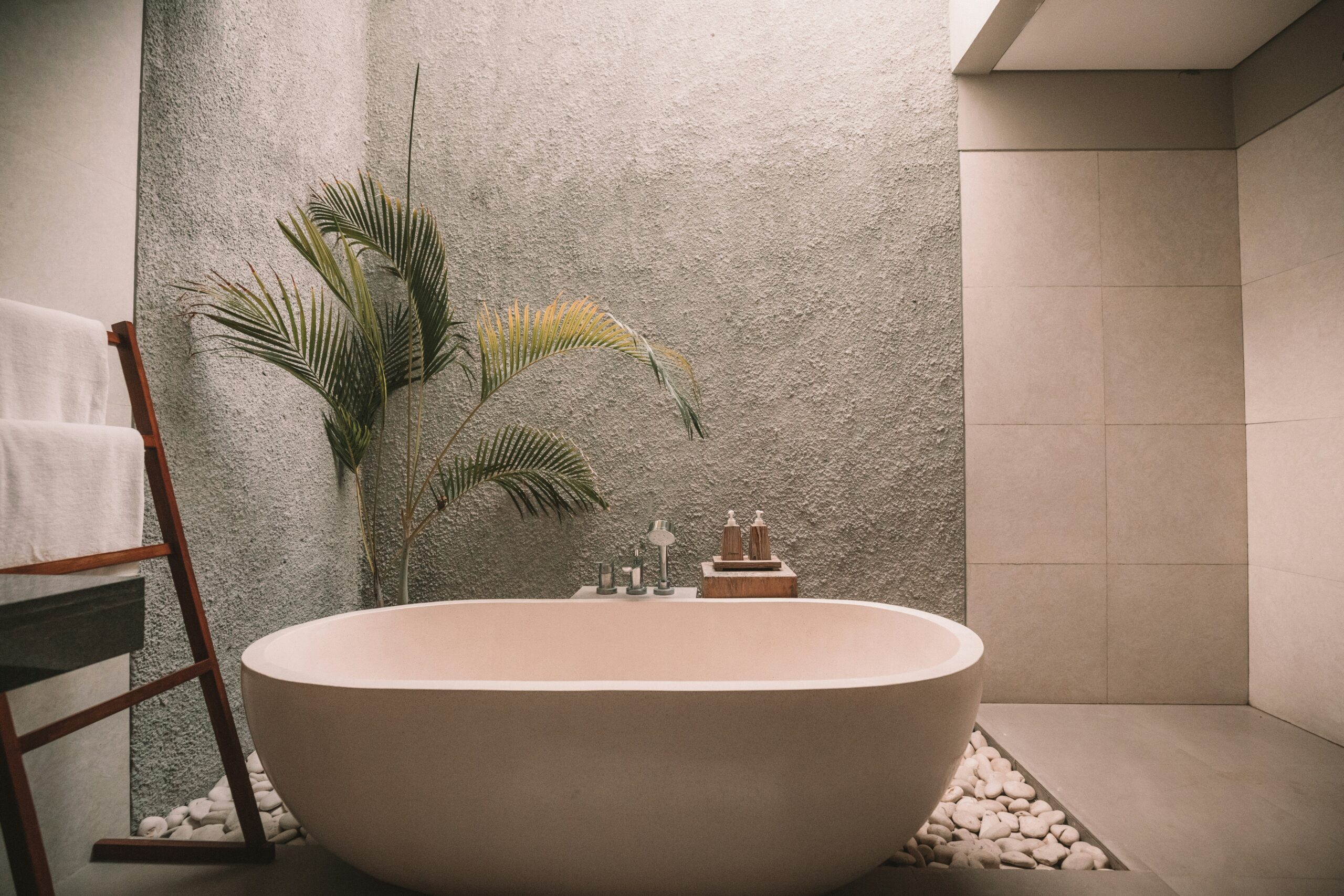
(See also: Spa Bathroom Ideas at Home — how the post-declutter bathroom can become a genuine sanctuary.)
Room 2: Kitchen
The Threshold Rule for Kitchens: If you haven’t used it in 6 months and it doesn’t serve a genuine function in your actual (not aspirational) cooking life, it goes.
The biggest trap: aspirational kitchen equipment. The pasta maker bought in 2021. The bread proofing basket. The immersion blender you’ve used twice. These objects represent a version of your life you’re not living. Keeping them doesn’t make you more likely to live it.
Category batching for kitchen:
- Duplicate utensils (how many spatulas do you actually need?)
- Single-use gadgets (avocado slicers, strawberry hullers — all removable)
- Mismatched Tupperware (keep only sets where lids match containers)
- Glasses and mugs (a household of 2 doesn’t need 22 mugs)
Products that help: Deep kitchen drawer organizers, pot lid organizers, and under-sink shelf risers address the three most common kitchen organization failures.
Finally, an organized kitchen! This sponge holder is a game changer.
Room 3: Living Room
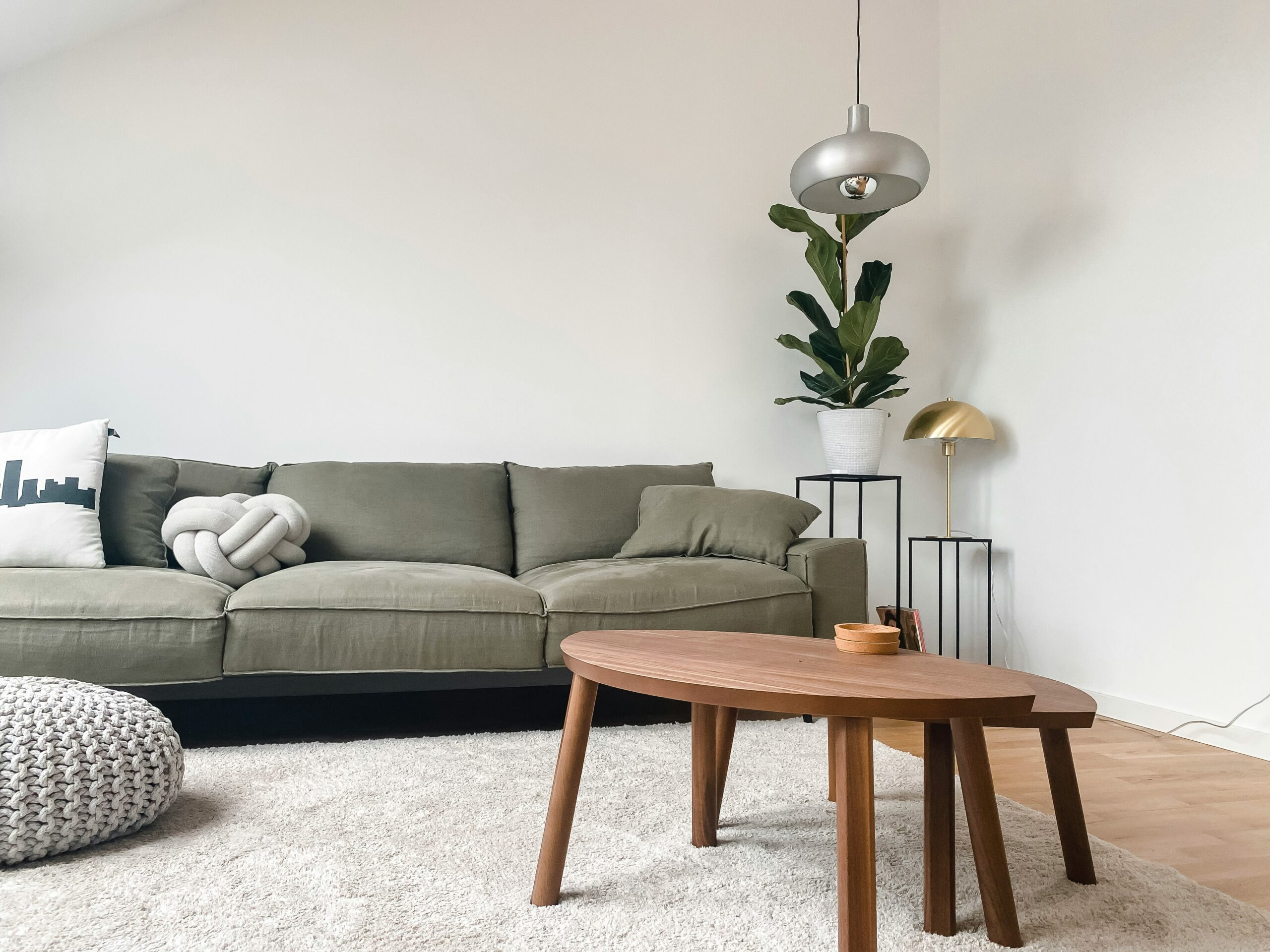
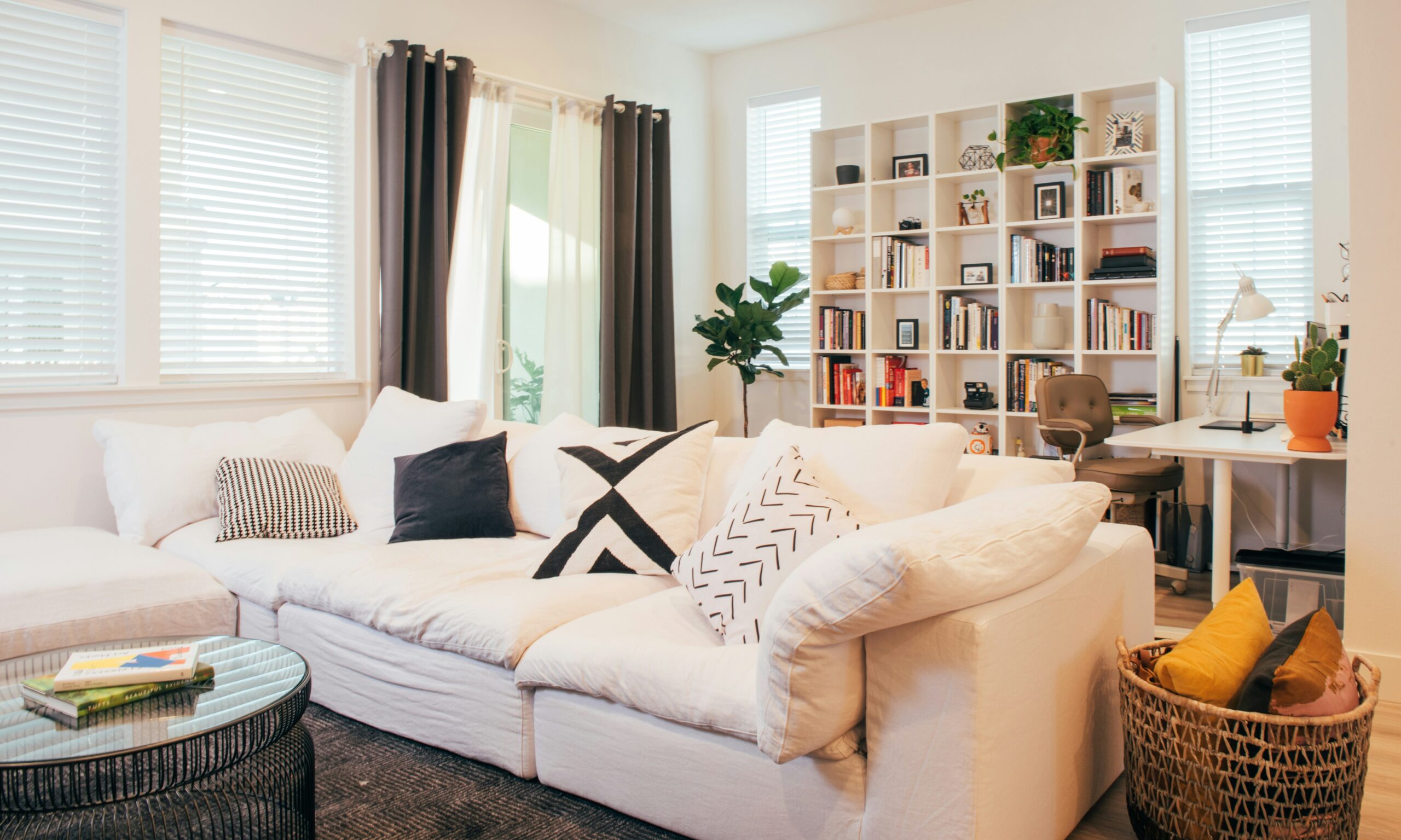
The Threshold Rule for Living Rooms: Every visible surface object either serves a function or earns its place aesthetically. Purely decorative items are evaluated by whether the room would be worse without them.
What to declutter:
- Coffee table books you’ve never opened (keep only ones you’ve actually read or reference)
- Decorative objects that have been in the same position for 3+ years without being noticed
- Cables and electronics that are “in case” items (old remotes, chargers for devices you no longer own)
- Excess throw pillows (there’s a number that’s too many — it’s usually 2 less than you currently have)
The “back of the couch” rule: If something has been draped over the back of your couch for more than a week without being put away, it doesn’t have a home. Create one or remove the item.
These storage bags are a game changer for keeping things tidy and spacious!
Room 4: Home Office / Entryway
The highest-friction room for most people because it accumulates paper, which requires actual decisions (not just keep/toss based on visual assessment).
Paper management system (simplified): Three categories only:
- Action required (bills to pay, forms to file) — one folder, visible on desk
- Archive (tax documents, warranties, medical records) — one binder or file box, labeled by year
- Trash — everything else. Most paper people keep “just in case” is available online anyway.
Shred what you don’t need. A cross-cut paper shredder is one of the few organization products with genuine functional value — it removes the friction of getting rid of sensitive documents.
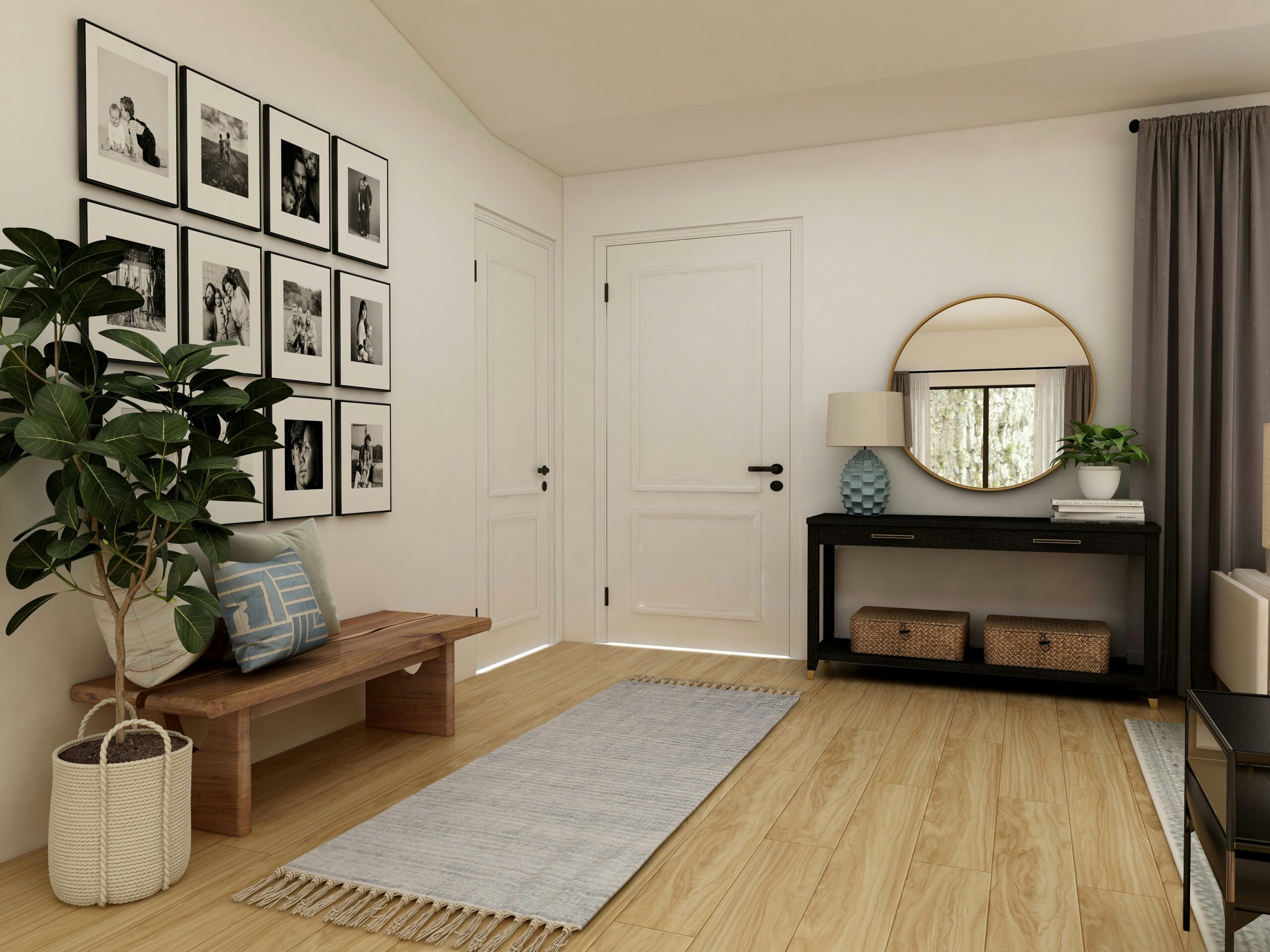
Entryway hook/rack system: If your entryway doesn’t have a designated spot for bags, keys, and coats, those items will live on every flat surface in your home. One good wall hook rack solves this.
Organize your workspace with this versatile desk organizer. Keeps everything in its place.
Room 5: Bedroom
The Threshold Rule for Bedrooms: The bedroom is a sleep and recovery environment. Every object that doesn’t support sleep or morning/evening routines should be evaluated for removal.
What most bedrooms accumulate:
- Books on the nightstand that became guilt objects (you’re not reading them)
- Clothes on the chair (the “chair” that exists in 90% of bedrooms as an unofficial storage surface)
- Products and objects with no clear home that migrate here
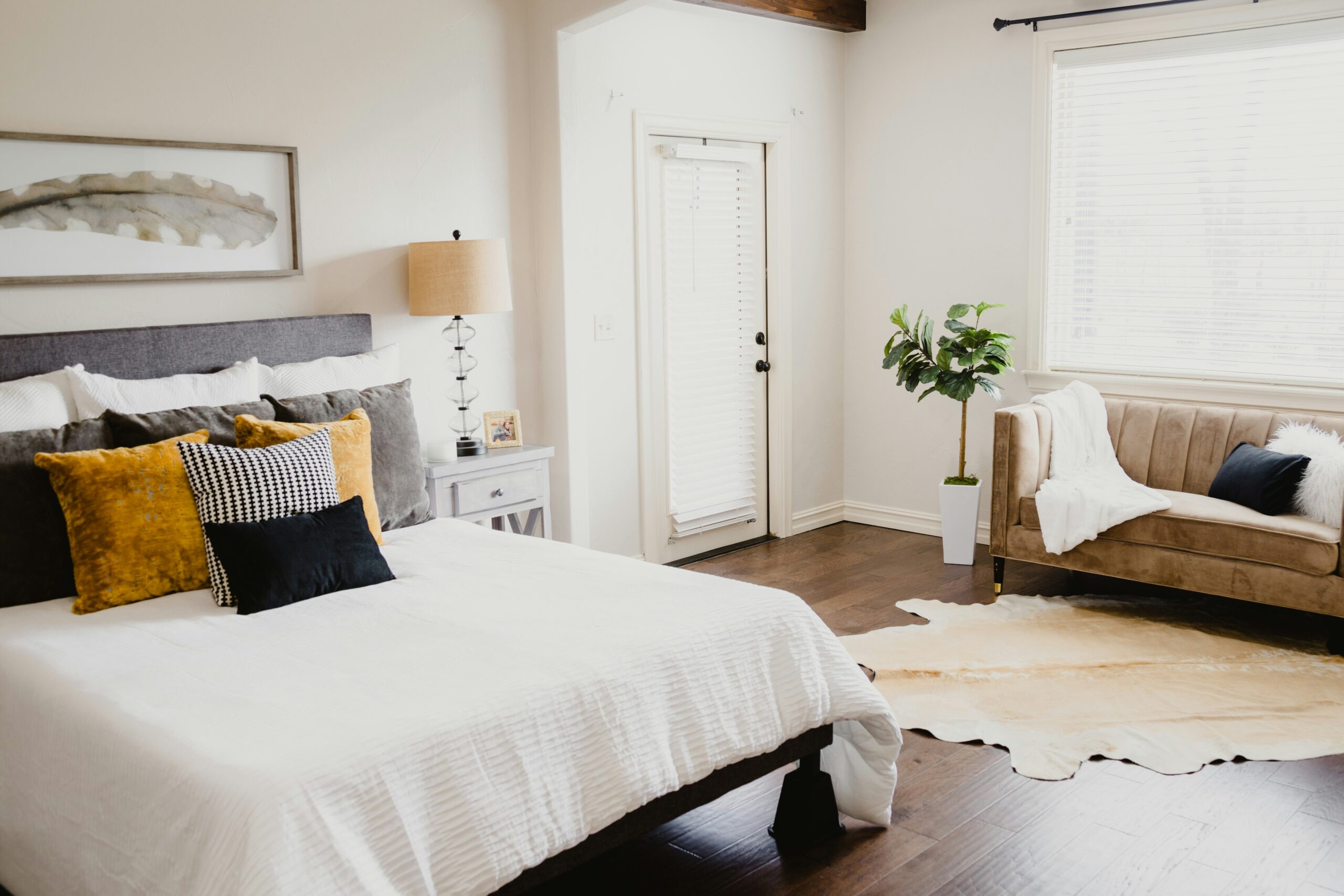
The nightstand edit: Maximum 4 items — lamp, one book or journal, water glass, phone charger. Everything else creates visual noise that affects sleep quality.
Clothes on the chair: If the chair is acting as storage, either the closet system isn’t working (clothes have no clear home) or the items don’t have a category (worn once, not dirty, not clean). Add a single designated hook inside the closet for “worn but not dirty” items.
These clear storage bins are a lifesaver! Perfect for packing, moving, or just keeping things tidy.
Room 6: Closets (Last)
Closets are last because they’re the most psychologically loaded and the most time-intensive. By the time you get here, your decision-making muscles are warmed up and your threshold for keeping things has already shifted.
The one-year rule applies here more strictly than anywhere else: If you haven’t worn it in 12 months, it goes. The exceptions are formal wear for known upcoming occasions and sentimental items (which get a dedicated, small box — not the whole closet).
The hanger flip trick: Turn all hangers backward at the start of the year. After 12 months, anything still backward is unworn.
Closet organization products worth buying:
- Slim velvet hangers (dramatically increases usable rod space)
- Shelf dividers for folded items
- Clear shoe boxes or a shoe rack (shoes on a rack take up less visual and physical space than shoes on a floor)
These extra-large moving bags are perfect for all your packing needs.
After Decluttering: The Maintenance System
The only thing that makes decluttering permanent is a rule that prevents re-accumulation. The simplest one:
One in, one out. Every new object that enters the house removes one existing object. No exceptions.
This rule is uncomfortable to apply and completely effective when followed.
Secondary maintenance: A quarterly “box pass” — walk through each room with an OUT box, spend 10 minutes per room. Lower stakes than a full declutter, high enough to catch drift before it compounds.
What NOT to Buy When Decluttering
The decluttering industry sells storage products to people mid-purge. Most of it creates more clutter:
- Labeled bins before you know what you’re storing — buy bins after, sized to actual contents
- Drawer dividers for drawers that need to be emptied — organization before decluttering is rearranging, not solving
- “Just in case” storage systems — if something needs elaborate storage to be justified, it shouldn’t be kept
The rule: don’t buy organization products until after you’ve removed the excess.
FAQ
How long does room-by-room decluttering take? Budget 1–2 hours per room for a thorough first pass. The bathroom and office take longest (expired products and paper decisions). The bedroom closet is its own session.
What do I do with everything in the OUT box? Same day: bag and move to car or building exit. Don’t let it sit. Friction is the enemy — the longer OUT items stay in the house, the more second-guessing happens. Facebook Marketplace, ThredUp, or local donation center (call ahead to confirm they take your category of items).
I’ve decluttered before and it comes back. Why? Missing maintenance system and/or missing organizational infrastructure (things don’t have homes, so they accumulate on surfaces). Both need to be addressed for lasting results.
How do I declutter when I share a space with someone who doesn’t want to? Declutter only your own things first. Change your behavior around shared spaces (put things away immediately, advocate for the one-in-one-out rule). Your visible results often convert skeptical partners more effectively than any conversation.
Final Thought
Decluttering isn’t about minimalism as an aesthetic. It’s about creating an environment where your attention isn’t constantly taxed by objects demanding decisions, maintenance, or guilt.
A well-edited home is quieter. That quiet is the point.
Once the clutter is gone, the next step is making your space feel intentional. How to spot expensive-looking decor shows you the 7 signals that make a room look elevated — without spending much. And for the bedroom specifically, cozy bedroom ideas on a budget covers the full room setup.
This post contains affiliate links. If you purchase through my links, I may earn a small commission at no extra cost to you. As an Amazon Associate, I earn from qualifying purchases.