



Reading nook ideas range from a single armchair in a corner to a full built-in window seat — and the right one for your space is probably simpler and cheaper than you think.
The misunderstanding: people picture a built-in window seat in a Victorian study, available to people with specific architecture and significant renovation budgets. The reality: a reading nook is any dedicated corner, chair, or zone that your brain associates with the specific activity of reading — and it can be created in under an hour, in almost any space, for under $200.
The value isn’t just practical. A dedicated reading space is a physical commitment to a practice — the act of setting it up signals intention in a way that “reading more” as a resolution does not. It also creates an environment separated from screens and work surfaces, which is neurologically useful for the kind of deep reading most people are trying to do more of.
This guide covers everything from a full corner setup to the minimum viable reading nook for a small apartment.
The Core Elements of a Reading Nook
Every successful reading nook has these four components. The budget version and the aspirational version both need them:
1. The Seat
The non-negotiable. It needs to be comfortable for 45–90 minutes of sustained reading, which means lumbar support or sufficient cushioning, and a shape that doesn’t require you to maintain tension to stay upright.
What works: an armchair with a high back, a chaise in a corner, a floor cushion against a wall (if you’re comfortable on the floor). What doesn’t work: a dining chair, a stool, anything that puts your laptop height at reading-comfort level but not your body.
2. The Light
Reading requires directional, warm light — overhead ceiling light produces glare and shadow across a page. A floor lamp positioned behind and above the chair, or an adjustable arm lamp mounted to the wall beside it, is the correct setup. Bulb temperature: 2700K–3000K warm white.
This is the second most common reading nook failure: beautiful setup, wrong light, eye fatigue within 20 minutes.
3. The Surface
Somewhere to put a drink, a bookmark, a pair of reading glasses. A small side table (any surface at arm height from the chair) is sufficient. Built-in shelving is a bonus, not a requirement.
4. The Enclosure
A reading nook works best when it feels slightly separated from the rest of the room — not closed off, but framed. This is why corners work well: two walls create a natural enclosure. A bookshelf, a curtain, a room divider, or simply the position of the chair relative to the room can create this effect without any structural change.
5 Reading Nook Ideas by Space and Budget
Idea 1: The Single Chair Nook (Minimal — $80–150)
Best for: Small apartments, renters, first setups
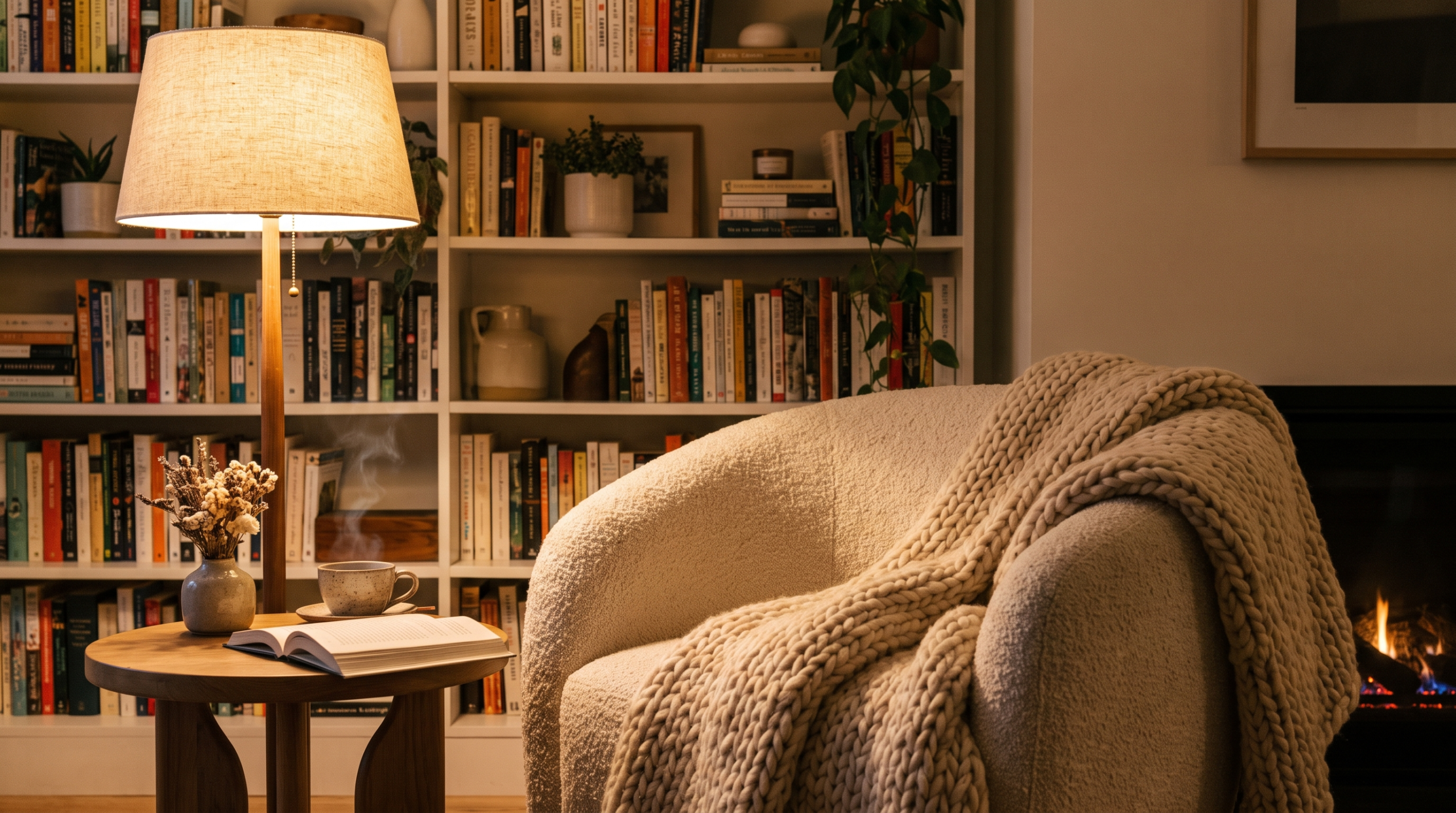
The minimum viable reading nook is a single good chair in a corner, with a floor lamp and a small side table. That’s it.
The setup:
- One armchair or accent chair positioned in a corner (back to walls, facing slightly outward into the room)
- Floor lamp — arc style that reaches over the chair shoulder
- Small round side table (18–22″ height) for drinks
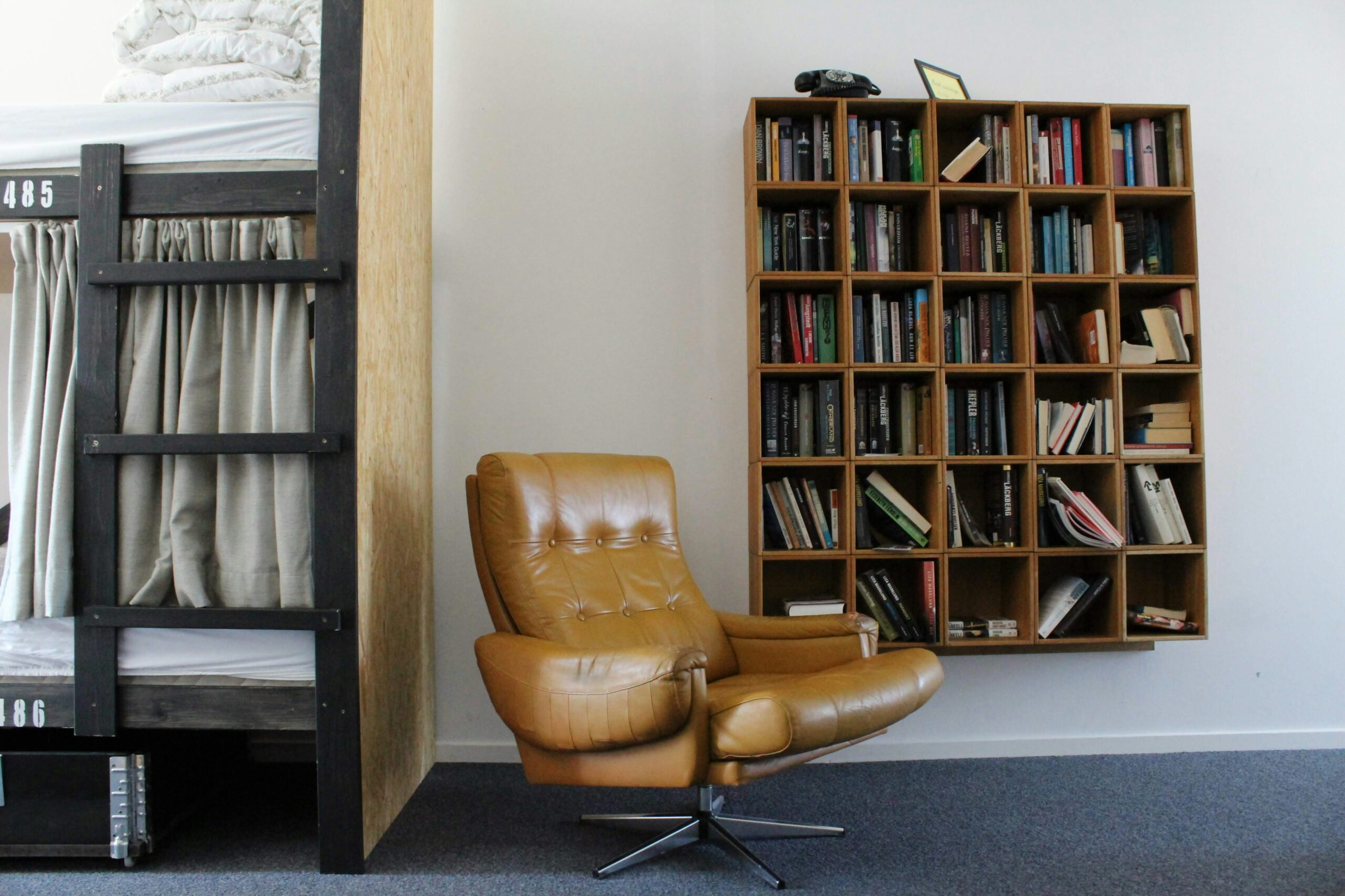
Cozy up with this comfy oversized accent chair! Perfect for a relaxing reading session.
Idea 2: The Window Corner Nook ($150–300)
Best for: Apartments or rooms with a window alcove, natural light priority
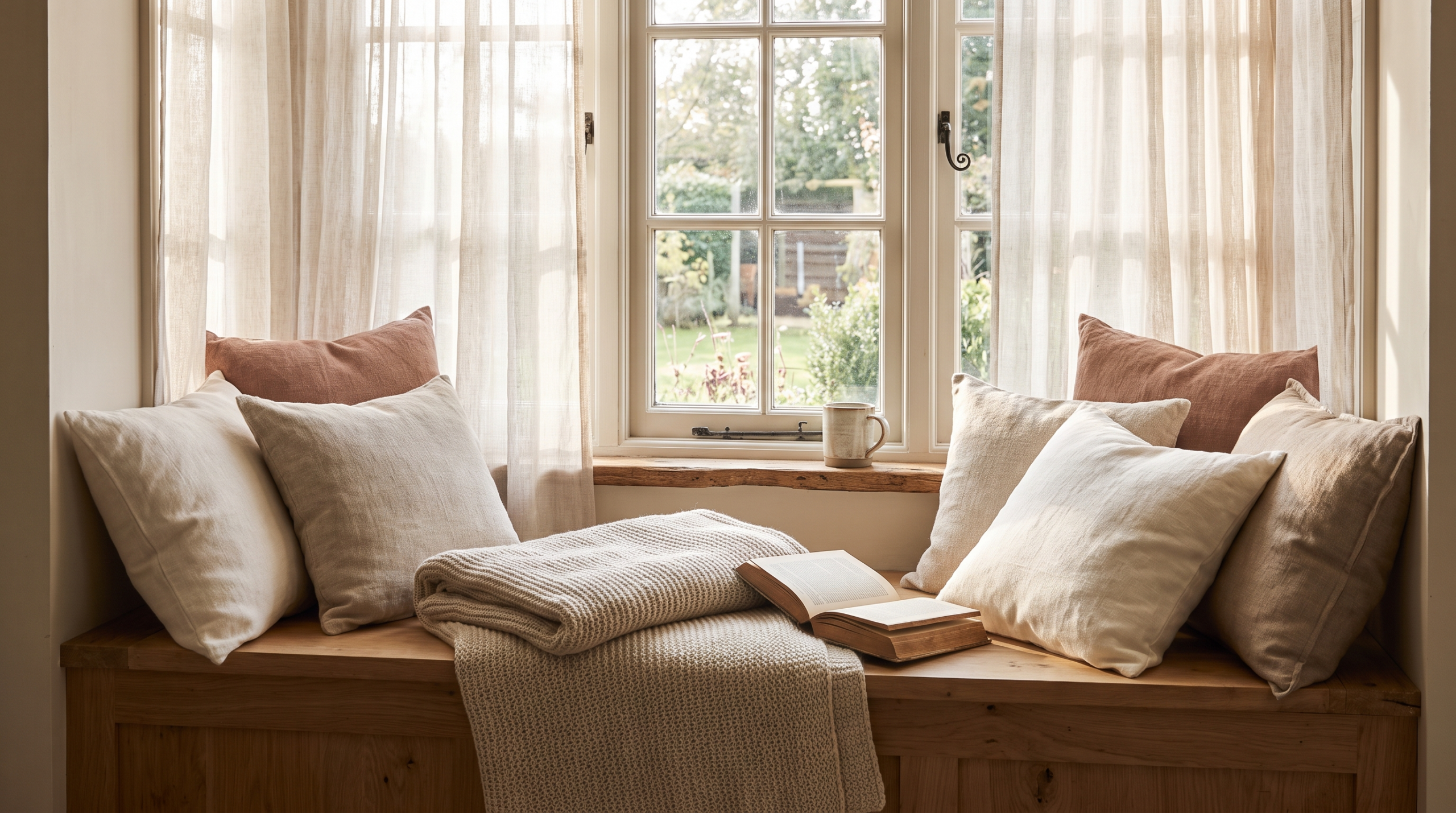
A chair positioned at an angle to a window, with sheer curtains framing the space, uses natural light for daytime reading and creates a view anchor. The key is having the light come from one side (not directly behind the book or directly in your eyes).
The setup:
- Chair angled 45° to the window
- Sheer linen curtain panels framing the window (not blocking it — framing it)
- Low bookshelf on the opposite wall to complete the enclosure
- Floor lamp for evening reading (natural light alone isn’t sufficient after 4pm)
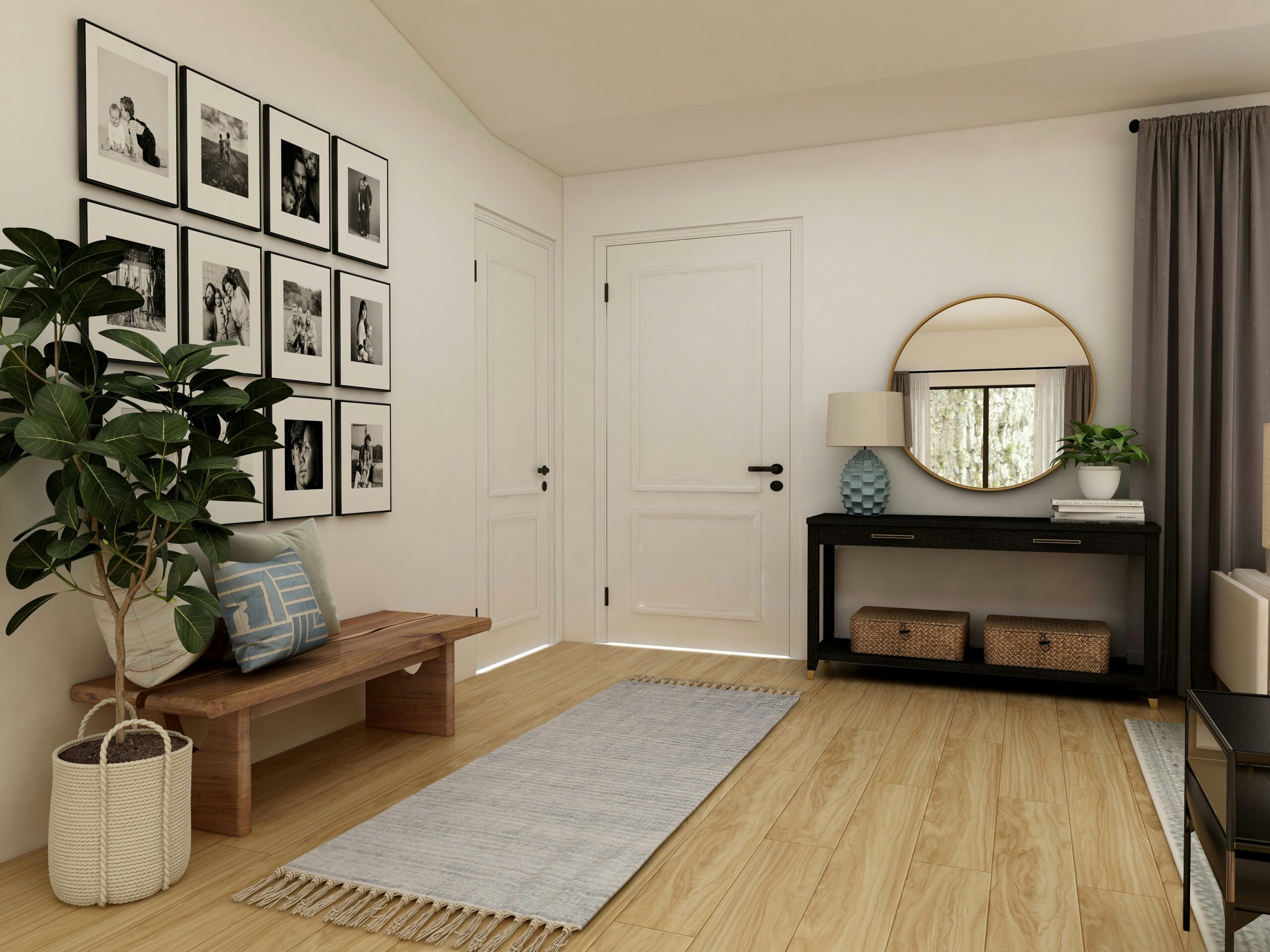
Check out this corner bench with hidden storage. Perfect for adding seating in a small space!
Idea 3: The Curtained Alcove Nook ($100–200)
Best for: Creating a defined space within a larger room, renters who can’t install built-ins
A curtain rod mounted between two walls or from a ceiling bracket, with floor-length curtains that can be drawn closed, creates a room-within-a-room effect. Inside: chair, lamp, surface, possibly a small rug. Curtains closed = the most immersive reading environment available without architectural changes.
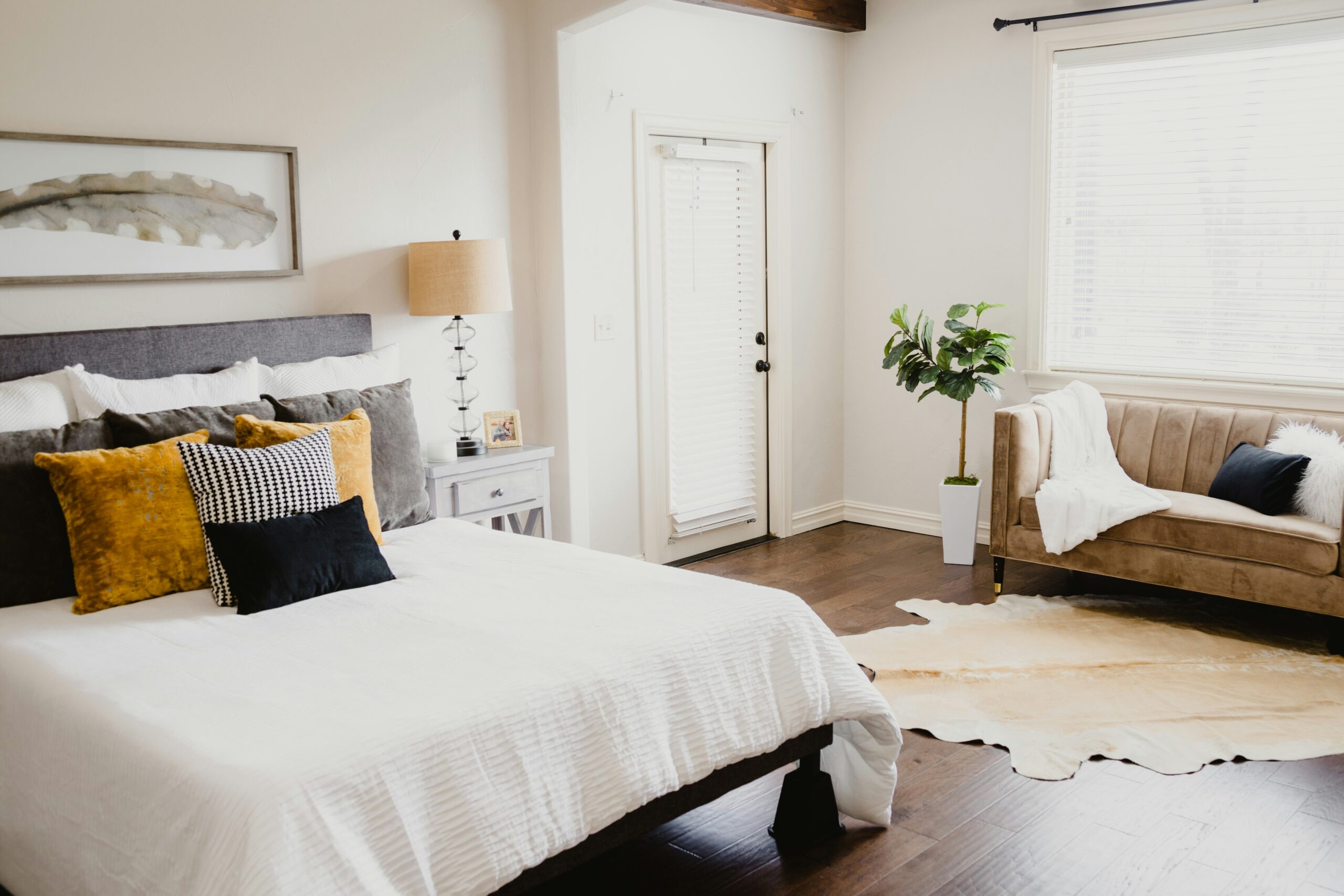
These blackout curtains are perfect for any bedroom or living room!
Idea 4: The Floor Cushion Nook ($60–120)
Best for: Small spaces, children’s rooms, people who prefer floor-level seating
Not everyone is comfortable reading in a chair for extended periods. A large floor cushion or bolster against a wall — ideally with a low shelf or windowsill at head height — is a legitimate reading nook for people who naturally sit cross-legged or reclined on the floor.
The setup:
- Large floor cushion or meditation bolster (look for something with filling dense enough to maintain shape)
- Wall-mounted reading light or adjustable clamp lamp
- Low floating shelf for books within reach
These pillows make the perfect addition to any space. Super cozy and stylish!
Idea 5: The Built-In Look Without Building ($200–400)
Best for: Rooms with an existing recessed wall, bay window, or unused closet space
A window seat effect can be achieved without carpentry using a sturdy storage bench, bookshelf units on either side, and cushions on top. IKEA Billy bookcases are the most widely documented solution for this; the proportions work, they’re adjustable, and the cost is manageable.
The setup:
- Two tall bookcases flanking a wall space
- Storage bench or window seat cushion between them (sized to fit the gap)
- String lights or reading lamp mounted to one bookcase
- Throw and pillow on the seat
This bookshelf is a must-have for small spaces! It’s so versatile and functional!
The Sensory Layer (What Makes a Nook Feel Like a Nook)
The furniture creates the structure. The sensory details create the feeling of a dedicated space — the cue that tells your brain “this is the reading place.”
Scent: A small reed diffuser on the side table running something woody or warm (cedarwood, sandalwood, vetiver) creates an olfactory anchor. After a few weeks of consistent use, the scent alone begins to cue a reading state.
Texture: A dedicated throw blanket that lives on the reading chair and nowhere else. This physical object becomes associated with the nook. Velvet, faux mohair, or heavy woven cotton all work.
Sound: Not required, but optional — a small bluetooth speaker playing background ambient sound (brown noise, rain, coffee shop ambience) is useful for people who read in high-traffic households and need auditory separation from surrounding activity.
The Book Organization Problem
A reading nook without accessible books requires leaving the nook to get books, which breaks the habit loop. The solution depends on your space:
Option 1 — A small “currently reading” shelf near the chair: 1–3 books visible and accessible, everything else stored elsewhere.
Option 2 — Floating shelves above or beside the chair: Low installation cost, high visual impact, keeps books within reach without requiring floor space.
Option 3 — A magazine rack or book sling mounted to the chair arm or wall: For small spaces where shelving isn’t possible.
Common Reading Nook Mistakes
Making it too elaborate before using it. Design the space once you’ve used a prototype version for two weeks. A chair and a lamp tell you whether the corner works before you invest in shelving and curtains.
Ignoring the light. The most expensively furnished reading corner with bad lighting is worse than a cheap chair with a good lamp. Test warm bulb temperature (2700K) and directional positioning before buying any other furniture.
Treating it as storage overflow. If the reading nook chair accumulates laundry, bags, and objects that don’t belong there, the “dedicated space” cue disappears. The space has to stay clear of other uses to retain its function.
Choosing aesthetics over ergonomics. Beautiful chairs that are uncomfortable for 45+ minutes of reading are decoration, not reading chairs. If possible, test chairs for extended sitting before buying, or check return policies carefully.
FAQ
Can I make a reading nook without a dedicated room? Yes — a corner of a bedroom, living room, or even a quiet section of a hallway works. The requirement is a consistent, dedicated spot, not a separate room.
What’s the best chair for reading long sessions? Something with lumbar support, armrests at comfortable typing/page-turning height, and enough seat depth that you can shift positions without falling off. An accent chair with a higher back generally works better than a deep, low lounge chair for active reading.
How do I stop my reading nook from becoming a clutter spot? One rule: only reading-related items belong in the nook. Books, a journal, a blanket, a drink. Everything else that lands there gets moved immediately. The habit of enforcement matters more than the physical setup.
What lighting setup is best for reading at night? A floor lamp with a warm (2700K) LED bulb positioned behind and above your shoulder, angled down at the page. Avoid ceiling lights only — they create downward shadow on pages. A secondary small lamp at eye level for ambient warmth reduces contrast fatigue.
The Full Shopping List by Budget
Budget Setup (~$100)
| Item | Price Range |
|---|---|
| Accent chair | $60–80 |
| Floor lamp | $25–35 |
| Small side table | $15–25 |
| Total | ~$100–140 |
Mid-Range Setup (~$200)
| Item | Price Range |
|---|---|
| Better armchair | $120–160 |
| Arc floor lamp | $40–60 |
| Side table | $25–35 |
| Throw blanket | $22–35 |
| Reed diffuser | $15–25 |
| Total | ~$220–315 |
Full Setup (~$400)
| Item | Price Range |
|---|---|
| Quality armchair | $150–250 |
| Arc floor lamp | $50–70 |
| Side table | $30–45 |
| Floating shelves (set) | $30–50 |
| Curtain rod + panels | $40–70 |
| Small area rug | $30–50 |
| Throw + cushion | $35–50 |
| Reed diffuser | $18–28 |
| Total | ~$383–613 |
Final Thought
The reading nook is a physical argument that reading time matters. Not as productive input, not as self-improvement — as something worth a corner of your home and a lamp positioned correctly.
That argument is worth making.
A reading nook fits naturally into a broader slow living lifestyle — see what is slow living for the full picture. And if the nook is in the bedroom, cozy bedroom ideas on a budget covers the rest of the room.
This post contains affiliate links. If you buy through one of these links, we may earn a small commission at no extra cost to you. We only recommend products we genuinely believe are worth your money.