







Bathtub trays are one of those purchases that seem slightly indulgent right up until the first time you use one. Then it becomes obvious: the difference between taking a bath and having a bath night is mostly logistics. Somewhere to rest a book without soaking the pages. A spot for your tea that isn’t the slippery tub edge. A place for your phone that isn’t tempting fate.
None of that requires a renovation or a soaking tub from a magazine. It requires a piece of wood or bamboo that spans your bathtub — and choosing the right one takes about five minutes once you know what actually matters.

What Actually Matters in a Bathtub Tray
Most bath caddies look nearly identical in photos. The differences show up in use, and they come down to four things.
Fit. Measure the inside width of your tub before anything else. Fixed-width trays are sturdier but unforgiving; expandable trays fit almost any standard tub (most extend from roughly 27 to 43 inches) and are the safer choice if you rent or might move. If you have a freestanding or unusually wide tub, check the maximum extension — this is the single most common reason trays get returned.
Material. Bamboo dominates this category for good reason: it handles humidity well, resists warping, and looks warm rather than clinical. Solid wood (acacia, teak) feels more substantial and ages beautifully, but needs occasional oiling. Plastic and metal trays exist; they survive anything, but they turn a spa night back into a locker room. If the goal is calm, natural materials do half the work.
Stability. Look for non-slip silicone grips on the underside and side rails or extension locks that hold the tray in place. A tray that slides when you reach for your cup is worse than no tray at all.
The right amount of features. This is where most people over-buy. Wine glass slots, book stands, phone ledges, soap dishes, candle holders — some trays try to do all of it and end up cluttered. Think about your actual bath: if you read, prioritize an adjustable book or tablet stand with a lip. If you soak with tea or wine, prioritize a recessed cup slot. You don’t need all seven compartments; you need the two you’ll use.
The Best Bathtub Trays by Type
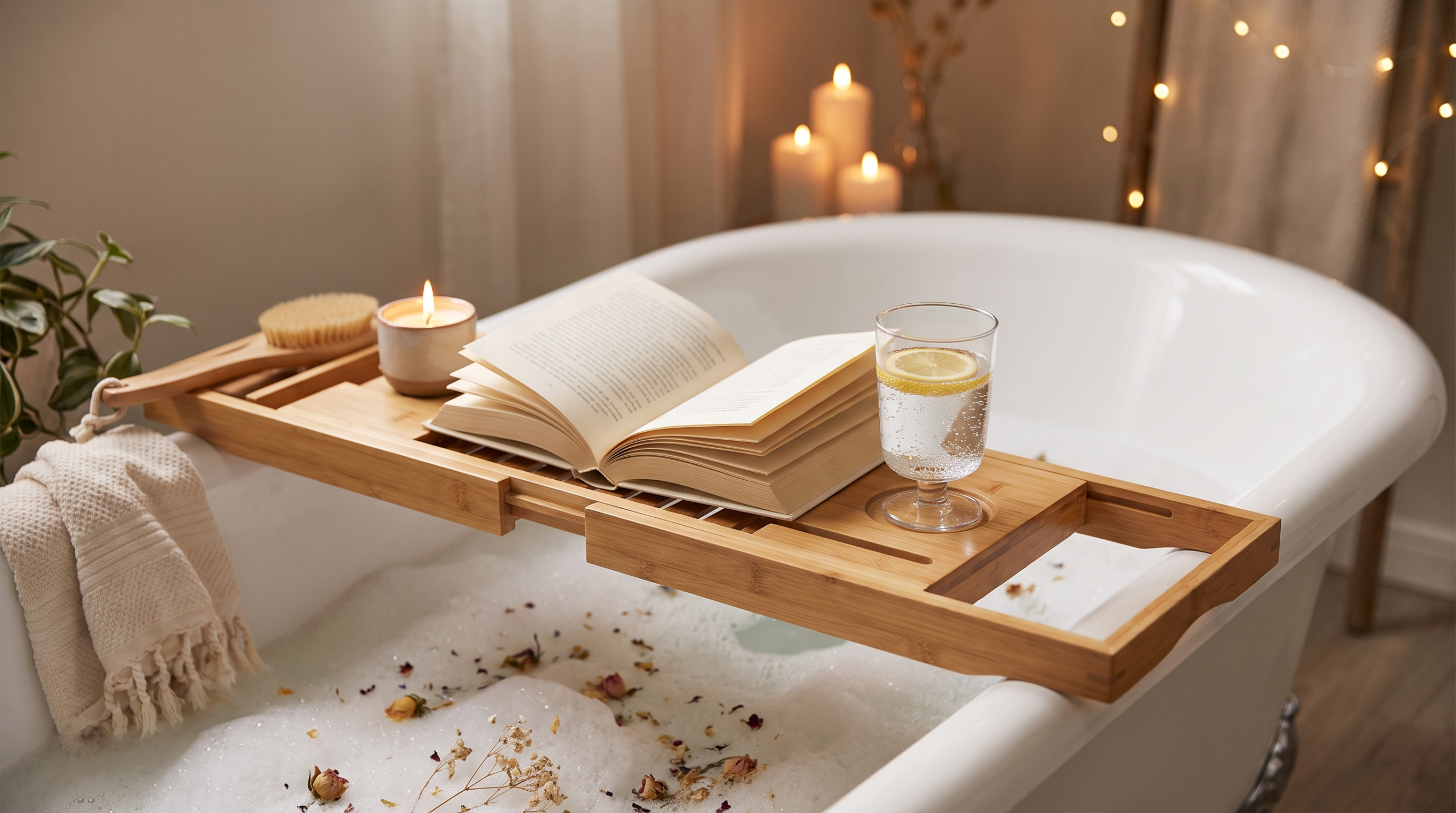
Best Overall: Expandable Bamboo Caddy with Book Stand
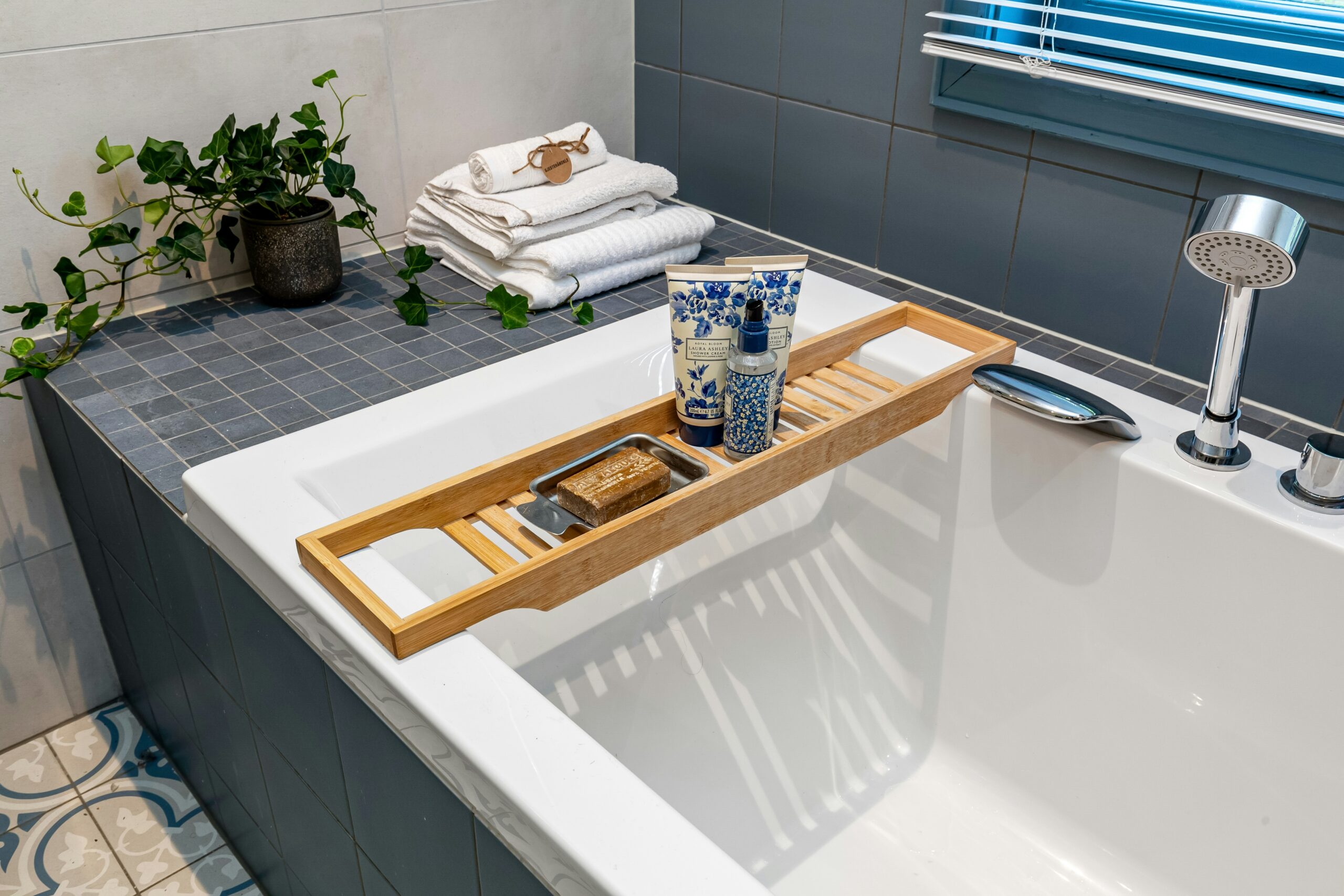
For most people, this is the answer. An expandable bamboo tray with an adjustable reading rack, a recessed slot for a glass or mug, and silicone-lined extending arms covers the full spa-night checklist without looking busy. Bamboo dries quickly between uses, the neutral tone works in any bathroom, and the expandable arms mean it fits the tub you have now and the tub you’ll have later. Expect to spend somewhere between $30 and $50 for a well-made one — beyond that you’re paying for branding, not function.
Best Budget: Simple Fixed Bamboo Tray
If your tub is a standard size and your bath ritual is minimal — a candle, a cup of tea, maybe a phone — a simple fixed bamboo tray does the job for around $20. No moving parts means nothing to loosen over time. The trade off is fit: measure carefully, because there’s no adjustment to save you.
Best Upgrade: Solid Acacia or Teak Tray
For a permanent bathroom and a real weakness for beautiful objects, a solid acacia or teak tray is the version you’ll never replace. The grain is richer than bamboo, the weight keeps it planted, and teak is rich in natural oils that make it resist rot and warping — the same reason it’s the material used on boat decks — so humidity is a non-issue. These typically run $60 to $120. Wipe it dry after use and oil it once or twice a year, and it will outlast the tub.
Best for Small or Corner Tubs: Caddy Basket or Corner Rack
Not every tub can take a full-width tray. If yours is compact or curved, a hanging caddy basket that hooks over the tub edge, or a corner rack that sits in the angle of the tub, holds the essentials without the span. Less of a centerpiece, but the tea still stays dry.
Small Details That Make It Feel Like a Spa Night
The tray is the infrastructure. What goes on it is the ritual — and this is where the whole thing comes together with what you probably already own.
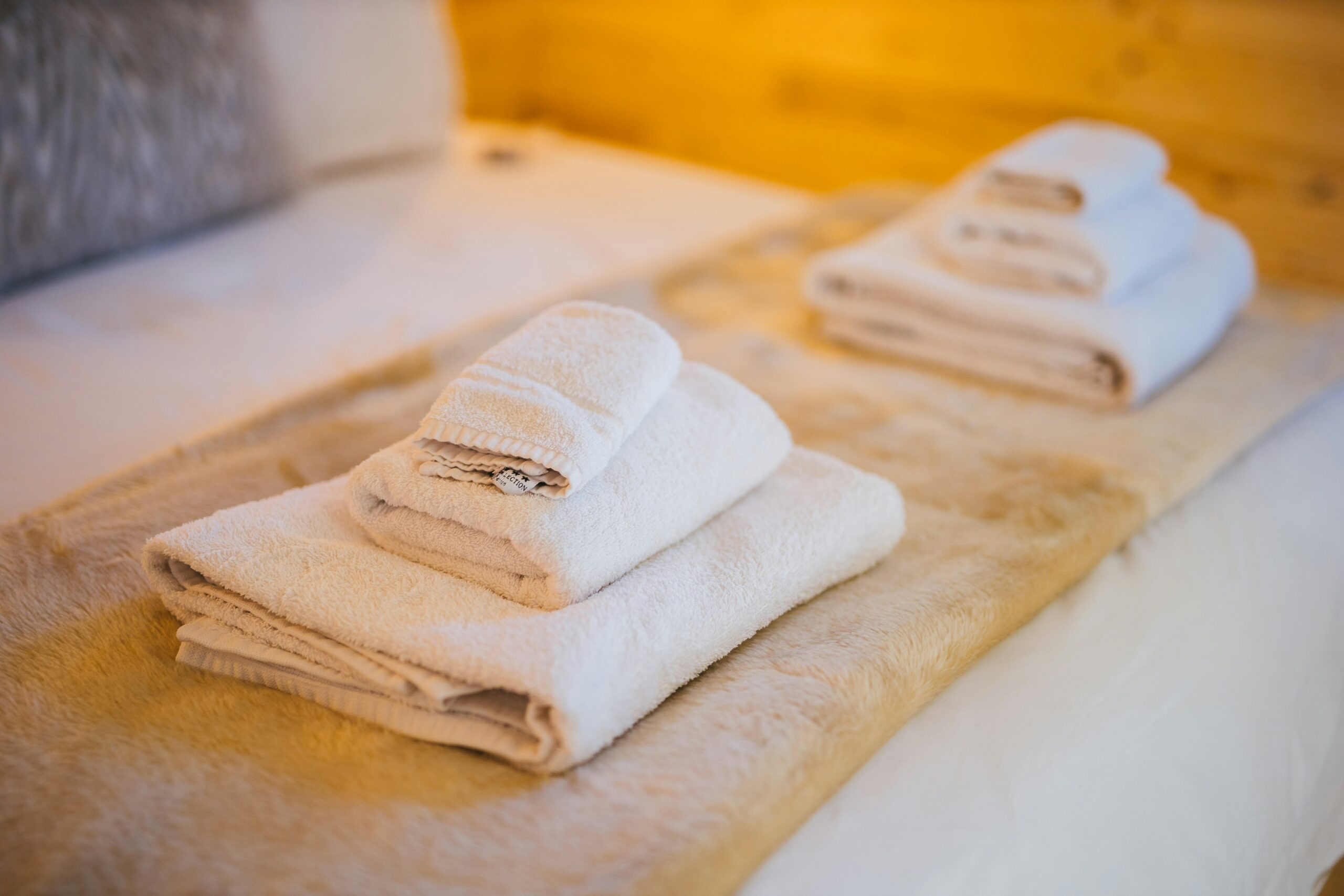
A rolled towel within arm’s reach changes the exit from the bath entirely; if you’ve invested in good Turkish cotton towels, this is their moment. A candle at the far end of the tray (away from the book) does more for atmosphere than any bathroom light fixture. And a small ramekin of Epsom salts or a bath oil on the tray means the second half of the soak can be upgraded without getting out.
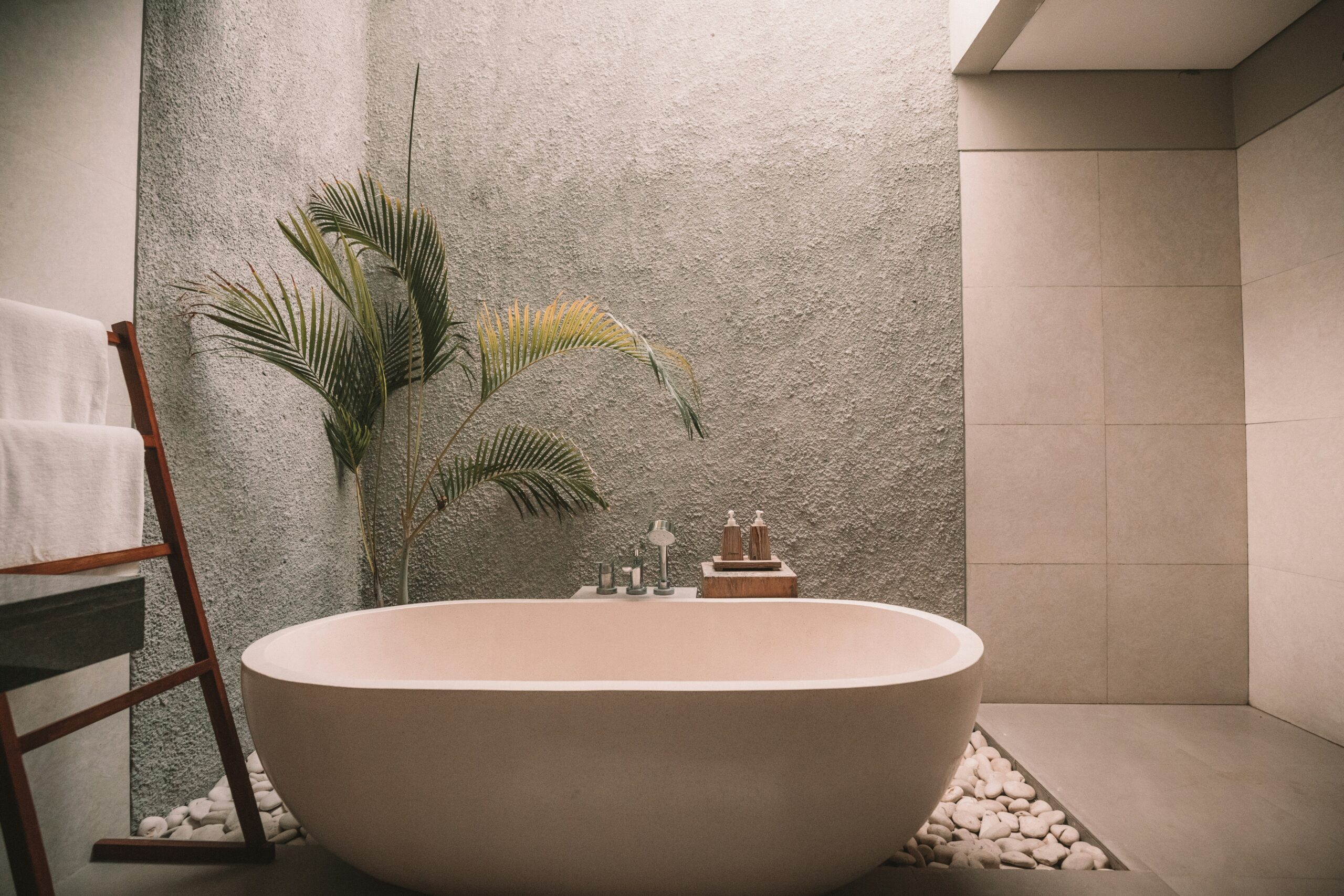
If you’re building toward a fuller transformation, a tray is the natural first step of a larger spa bathroom setup — it’s the piece that makes the space feel intentional before you’ve changed anything else.
How to Care for a Wooden Bath Tray
Bamboo and wood live long lives in bathrooms with two habits: stand the tray on its side to dry after each bath rather than leaving it flat across the tub, and keep it out of standing water. If a bamboo tray starts looking dry or pale after a year of use, a light coat of food-safe mineral oil brings it back in five minutes. That’s the entire maintenance routine.
The Bottom Line
A bathtub tray is a small purchase that changes how often you actually take the bath you keep meaning to take. For most bathrooms, an expandable bamboo caddy with a book stand and cup slot is the right call — stable, adaptable, and calm to look at. Measure your tub, skip the gadget-covered versions, and put the money you save toward better towels.
The bath was always there. The tray just makes it somewhere you want to stay.
For the full spa setup, pair your caddy with our guide to spa bathroom ideas at home and the best bathrobes for the complete experience.
This post contains affiliate links. If you buy through one of these links, we may earn a small commission at no extra cost to you. We only recommend products we genuinely believe are worth your money.